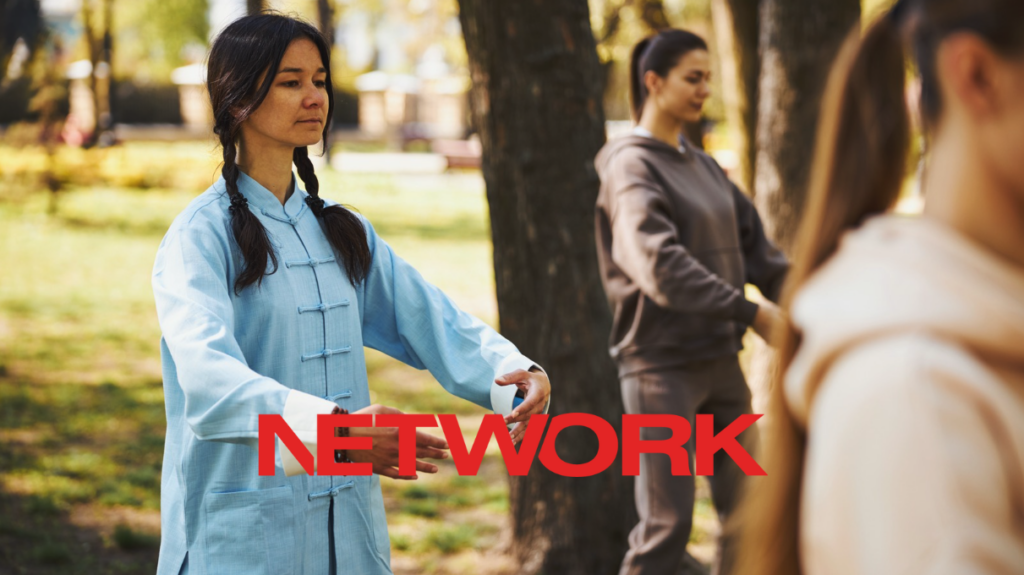
Tai Chi, often described as “meditation in motion,” is a centuries-old Chinese practice that blends slow, flowing movements with deep breathing and mental focus. Originally developed as a martial art, Tai Chi has evolved into a gentle form of exercise practiced by millions around the world for its numerous health benefits.
The Benefits of Tai Chi
Tai Chi offers a wide range of physical and mental health benefits:
- Improved Balance and Flexibility: The deliberate, grounded movements strengthen muscles and enhance body awareness, which can help prevent falls—especially in older adults.
- Stress Reduction: The meditative nature of Tai Chi encourages mindfulness and calm, lowering cortisol levels and promoting relaxation.
- Better Posture and Joint Health: Practicing Tai Chi helps align the spine and joints, promoting better posture and reducing tension.
- Enhanced Cardiovascular and Respiratory Health: While low-impact, Tai Chi can still gently boost heart rate and lung capacity over time.
- Mental Clarity and Focus: The mindful movements sharpen concentration and can improve mood and cognitive function.
Getting Started with Tai Chi
Tai Chi is suitable for all ages and fitness levels, and getting started is easy:
- Find a Local Class or Instructor: Look for community centers, fitness studios, or martial arts schools that offer beginner classes. A certified instructor can guide you through proper technique and breathing.
- Try Online Resources: If in-person classes aren’t available, many online videos and virtual classes can provide a solid introduction.
- Start Slow and Be Consistent: Tai Chi isn’t about perfection—it’s about presence. Even 10–15 minutes a day can yield noticeable benefits.
- Wear Comfortable Clothing: Loose-fitting clothes and flat-soled shoes (or going barefoot) will help you move freely.
Please Note: The information provided in this article are the opinions and professional experience of the author and not all activities are recommended for the beginner or participants with underlying health conditions. Before following any advice or starting any fitness, health and wellbeing journey please consult with an Allied Health Professional and / or General Practitioner.