When it comes to building a strong core, two exercises often top the list: planks and crunches. Both are simple, require no equipment, and promise stronger abs—but they train your body in very different ways. So, which one should you choose? Let’s break it down.
Crunches: The Classic Ab Burner
Crunches have been a go-to ab exercise for decades. They primarily target the rectus abdominis—the “six-pack” muscle. By curling your upper body toward your knees, crunches isolate this muscle and deliver that burning sensation people often associate with ab training.
Benefits of Crunches:
- Simple and beginner-friendly.
- Effective for building definition in the abdominal wall.
- Can be modified with twists to target obliques.
Drawbacks:
- Limited in scope—they mostly target the front abs, not the full core.
- Can strain the neck and lower back if done incorrectly.
- Repetitive and less functional compared to full-body core work.
Planks: The Core Stabilizer
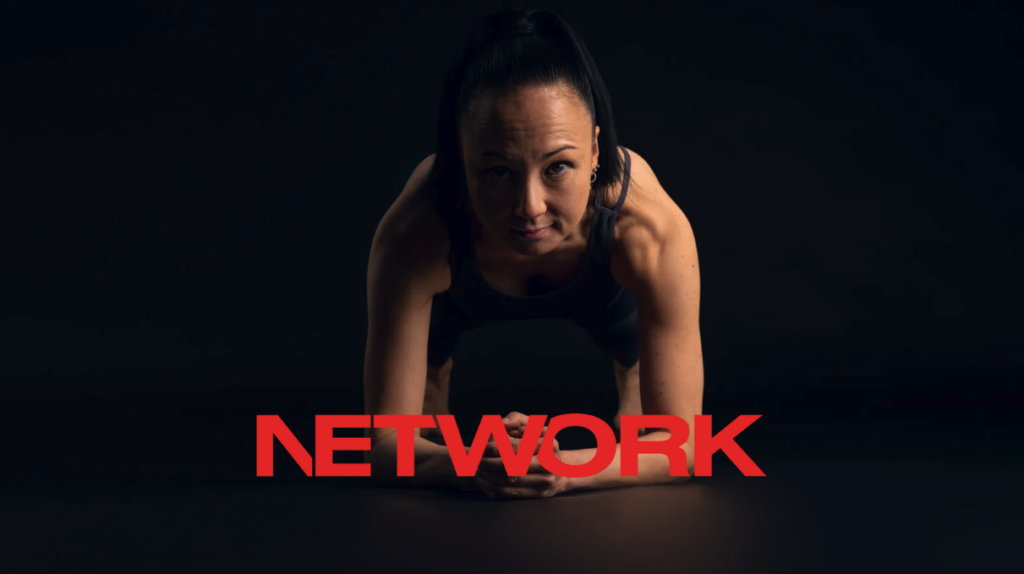
Planks, on the other hand, are all about stability. By holding a push-up-like position, you engage not just your abs, but also your shoulders, back, glutes, and legs. Planks train your core to resist movement, making them more functional for everyday strength and athletic performance.
Benefits of Planks:
- Strengthens the entire core, not just the abs.
- Improves posture and stability.
- Can be progressed with variations (side planks, plank shoulder taps, etc.).
Drawbacks:
- Can feel monotonous without variation.
- May cause wrist or shoulder discomfort if form isn’t correct.
- Requires patience—progress comes from time under tension, not fast reps.
Which is Better?
The answer depends on your goal:
- Want visible abs? Crunches can help carve definition.
- Want total-body stability and functional strength? Planks are your winner.
Ideally, a strong core routine should include both. Crunches give you isolation, while planks give you integration.
Safety Brief: Perform all core exercises with proper form to protect your back and neck. If you feel pain (not just muscle fatigue), stop immediately and adjust your technique or consult a fitness professional.
Sample Core Combo
Try pairing them for a balanced routine:
- Plank Hold – 30–60 seconds
- Crunches – 12–15 reps
- Repeat for 3–4 rounds
Final Thoughts
Planks and crunches don’t have to compete—they can complement each other. Crunches build that aesthetic “six-pack,” while planks train the deep stability muscles that support strength, posture, and movement. Together, they’re a powerhouse duo for a stronger, more resilient core.
So instead of asking, plank or crunches?—why not both?
Please Note: The information provided in this article are the opinions and professional experience of the author and not all activities are recommended for the beginner or participants with underlying health conditions. Before following any advice or starting any fitness, health and wellbeing journey please consult with an Allied Health Professional and / or General Practitioner.