
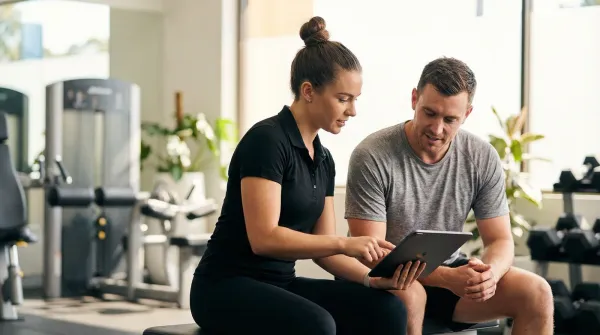
Become a Personal Trainer
Get your nationally recognised fitness certification with SIS30321 Certificate III and SIS40221 Certificate IV in Fitness, and get hired faster.
Learn MoreFitness Education
Become a personal trainer, nutritionist or remedial massage therapist with Australia’s longest standing fitness educator. Education and graduate support you can trust.
Get Started47
Years Industry
Experience
290,000+
Students Certified
and Educated
300+
Gym and Industry
Partners
Your pathway to a successful career in fitness, nutrition or massage starts here.
Get your nationally recognised fitness certification with SIS30321 Certificate III and SIS40221 Certificate IV in Fitness, and get hired faster.
Learn More
Your pathway to a career in Nutrition. Study 100% online with units including applied nutrition science, client practice, and behaviour change.
Learn More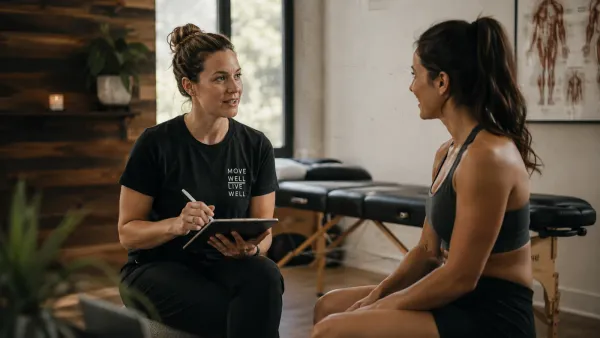
Become a massage therapist in just 14 months with our HLT52021 Diploma of Remedial Massage. Campus availability in NSW, SA and WA.
Learn More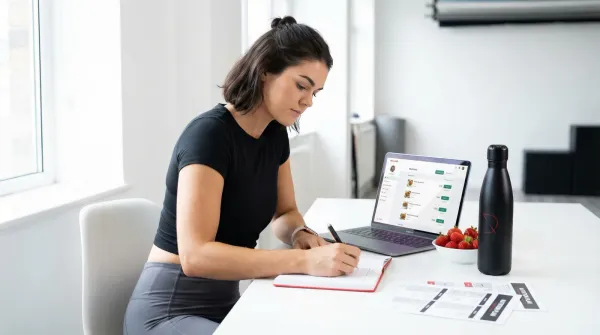
Continuing education courses designed by industry experts so you can upskill your fitness, nutrition, wellness and business knowledge.
Learn MoreAre you eligible for a government-funded position?
Check Your EligibilityFully accredited, nationally recognised courses designed to accelerate your fitness, nutrition or massage career
We teach more than technique — we prepare you for a career built around what employers and clients actually need.
Nationally recognised qualifications, with flexible online study + practical tasks. Study at a time and place that suits your life.
AIF is now in its 47th year and is trusted throughout the industry as the longest serving fitness educator in Australia.
Our coaches, mentors and careers team are genuinely invested in your success at every stage.
“I honestly wish my time wasn’t over at the campus because I loved the experience, the coaches and my class so much. Being at the Australian Institute of Fitness has absolutely changed my life.”
“The support from the AIF team was incredible from day one. I went from knowing nothing about nutrition to running my own practice. I couldn’t recommend this course more highly.”
“I was nervous about studying online but the flexibility was exactly what I needed as a mum. The coaches were always there when I needed them. AIF made this possible for me.”
“The Diploma of Remedial Massage at AIF was hands-on, practical and genuinely prepared me for real clients. I had job offers before I even graduated.”
Industry insights to help you grow your career in fitness, nutrition and remedial massage therapy.

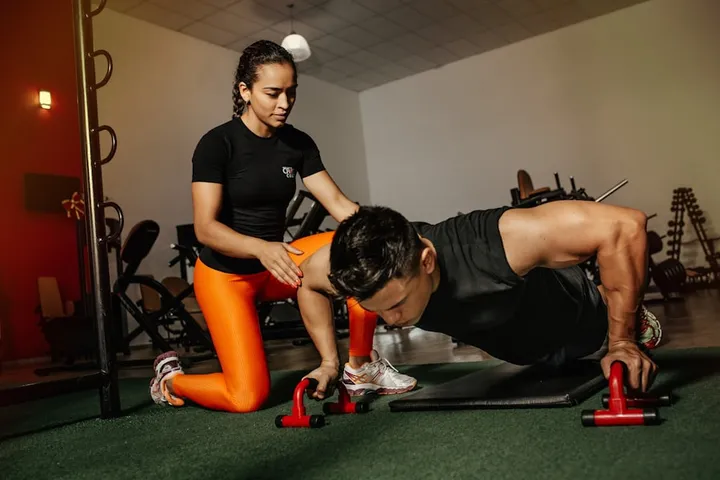

AIF's industry partnerships give you direct access to Australia's leading fitness employers — from national gym chains to boutique studios — so you can start building your career from day one.








Our team is here to help you find your dream career in health and fitness.
Get in Touch