
The Truth About Protein: How Much Do You Really Need?
Protein. It’s arguably the most talked-about nutrient in the fitness world. From social media influencers touting protein shakes as the key to building muscle, to diet plans promising weight loss through high-protein intake, the message is clear: protein is important. But amidst the hype, a crucial question often gets lost: how much protein do you really need? Understanding the science behind protein can help you maximize your fitness results without wasting money—or worse, harming your body.
Why Protein Matters
Protein is one of the three macronutrients, alongside carbohydrates and fats. Unlike fats and carbs, protein is unique because it is made of amino acids—the building blocks of your muscles, skin, hair, enzymes, and hormones. Essentially, protein is the repair and construction crew of your body.
When you exercise, especially during resistance training, your muscles experience microscopic tears. Protein helps repair these tears, leading to muscle growth, strength gains, and recovery. But protein isn’t just about aesthetics; it’s vital for overall health. Adequate protein supports immune function, hormone production, and even keeps your metabolism humming efficiently.
Australian Dietary Guidelines on Protein
According to the Australian Dietary Guidelines,[1] protein needs vary based on age, sex, and activity level. For adults, the general recommendation is:
-
Sedentary Adults: Approximately 0.75 grams of protein per kilogram of body weight per day.
-
Active Adults: Those engaging in regular physical activity may require more, with some experts suggesting up to 1.2 grams per kilogram of body weight per day.
For instance, a 70 kg individual would need:
-
Sedentary: 53 grams of protein daily.
-
Active: Up to 84 grams of protein daily.
These guidelines ensure adequate protein intake to support bodily functions and overall health.
Factors Influencing Protein Needs
Several factors influence how much protein an individual needs. It’s not a one-size-fits-all number—understanding these variables helps tailor intake for optimal health and performance.
1. Age
Protein requirements increase with age. After around 40–50 years, adults experience anabolic resistance, meaning muscles become less responsive to protein intake and exercise. Higher protein intake can help prevent age-related muscle loss (sarcopenia), maintain strength, and reduce the risk of falls and fractures. Older adults may benefit from aiming for 1–1.2 g/kg per day, sometimes more if they are very active.
2. Physical Activity Level
-
Endurance Training: Activities like running, cycling, or swimming increase protein needs modestly, typically 1.2–1.4 g/kg per day. Protein supports muscle repair and energy metabolism.
-
Strength Training: Resistance training significantly increases protein requirements, often 1.6–2.0 g/kg per day. Adequate protein is essential for muscle repair, hypertrophy, and strength gains.
-
Recreational Activity: Even moderate exercise increases protein turnover slightly, so slightly above the sedentary RDA may be beneficial.
3. Body Composition Goals
Whether your goal is muscle gain, fat loss, or maintenance influences protein intake:
-
Muscle Gain: Higher protein intake (1.6–2.2 g/kg) combined with resistance training maximizes muscle protein synthesis.
-
Fat Loss: Higher protein diets help preserve lean muscle mass while in a calorie deficit. Research suggests 1.6–2.4 g/kg is optimal for retaining muscle during weight loss.
-
Maintenance: Meeting baseline activity needs generally aligns with 1.0 – 1.2 g/kg for average adults.
4. Gender and Hormonal Status
Men and women may have slightly different protein needs due to differences in muscle mass, hormone levels, and metabolic rate. Additionally, women may have increased protein requirements during pregnancy or breastfeeding, as protein supports fetal growth, milk production, and recovery. During these periods, protein intake should be adjusted under the guidance of a healthcare professional.
5. Health Conditions and Recovery
Certain conditions can increase protein requirements:
-
Injury or Surgery Recovery: The body needs extra protein to repair tissues and support healing.
-
Illness: Conditions like infections or chronic diseases can increase protein turnover.
-
Kidney or Liver Disease: Protein intake may need to be modified under medical supervision, as excess protein can stress compromised organs.
6. Dietary Patterns
-
Vegetarian or Vegan Diets: Plant proteins are sometimes less bioavailable, meaning slightly higher protein intake may be needed to ensure all essential amino acids are consumed. Combining different plant proteins (e.g., legumes + grains) helps meet amino acid requirements.
-
Low-Calorie Diets: Reduced calorie intake can increase protein requirements relative to body weight to prevent muscle loss.
7. Genetics and Metabolism
Individual metabolism and genetic factors can influence protein needs. Some people naturally have higher rates of protein turnover, meaning they may benefit from slightly higher intake to support muscle mass and recovery.
Understanding these factors ensures protein intake is optimized not just for performance, but for overall health, recovery, and long-term wellbeing.
Sources of Protein
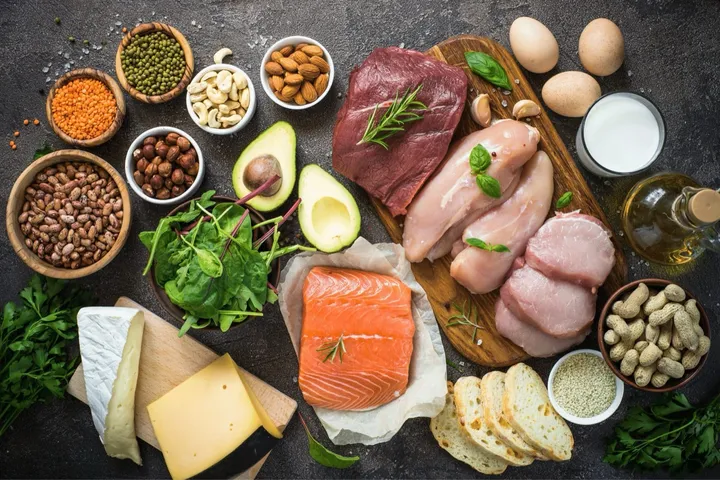
Protein can be sourced from both animal and plant-based foods:
Animal-Based Sources
-
Lean Meats: Chicken, turkey, and lean cuts of beef and lamb.
-
Fish and Seafood: Salmon, tuna, and prawns.
-
Dairy Products: Milk, cheese, and yoghurt.
-
Eggs: A versatile and high-quality protein source.
Plant-Based Sources
-
Legumes: Lentils, chickpeas, and beans.
-
Tofu and Tempeh: Soy-based products rich in protein.
-
Nuts and Seeds: Almonds, chia seeds, and sunflower seeds.
-
Whole Grains: Quinoa, barley, and oats.
Including a variety of these sources ensures a balanced intake of essential amino acids.
Timing and Distribution of Protein Intake
It’s not just about the amount of protein but also when and how you consume it:
-
Spread Intake Throughout the Day: Distribute protein consumption across meals to enhance muscle protein synthesis.
-
Post-Exercise: Consuming protein after exercise aids muscle repair and growth.
-
Balanced Meals: Include protein in each meal to support overall health and satiety.
Common Myths About Protein
Myth 1: More Protein Equals More Muscle
While protein is essential for muscle growth, excessive intake doesn’t necessarily lead to more muscle. The body can only utilise a certain amount of protein at a time; excess is either used for energy or stored as fat.
Myth 2: Plant-Based Proteins Are Inferior
Plant-based proteins can provide all the essential amino acids when consumed in varied combinations. Foods like quinoa, soy, and buckwheat are complete protein sources.
Myth 3: Protein Supplements Are Necessary
Most people can meet their protein needs through a balanced diet. Supplements may be helpful for specific groups, such as athletes, but are not required for the general population.
Practical Tips for Meeting Protein Needs
-
Calculate Your Requirements: Multiply your body weight in kilograms by 0.75 g/kg for sedentary adults or up to 1.2 g/kg for active adults.
-
Include Protein in Every Meal: Spread protein intake throughout the day.
-
Choose Lean Protein Sources: Lean meats, fish, and plant-based proteins reduce saturated fat intake.
-
Stay Hydrated: Adequate water intake supports kidney function, especially with higher protein intake.
-
Consult a Professional: If unsure about your protein needs, consult a healthcare professional or dietitian.
Sample Day of Protein Intake
For a 70 kg active adult aiming for 84 grams of protein daily:
-
Breakfast: Scrambled eggs (3 eggs, ~150 g) with spinach and 2 slices wholegrain bread (~20 g protein)
-
Snack: Greek yoghurt (200 g) with berries (~15 g protein)
-
Lunch: Grilled chicken breast (150 g) salad with quinoa (100 g cooked) (~25 g protein)
-
Snack: Handful of almonds (~30 g) (~10 g protein)
-
Dinner: Baked salmon (150 g) with steamed broccoli and sweet potato (~30 g protein)
Total: ~100 g protein
Portions can be adjusted depending on individual needs and dietary preferences.
Conclusion
Protein is a vital nutrient supporting muscle repair, immune function, and hormone production. By understanding your individual protein requirements and sources, you can make dietary choices aligned with the Australian Dietary Guidelines. Balance, variety, and spreading protein intake throughout the day are the keys to maximizing health and fitness benefits.
Please Note: The information provided in this article are the opinions and professional experience of the author and not all activities are recommended for the beginner or participants with underlying health conditions. This author has no affiliation with any of the products mentioned. Before following any advice or starting any fitness, health and wellbeing journey please consult with an Allied Health Professional and / or General Practitioner.
| References |
| Australian Dietary Guidelines for protein |