
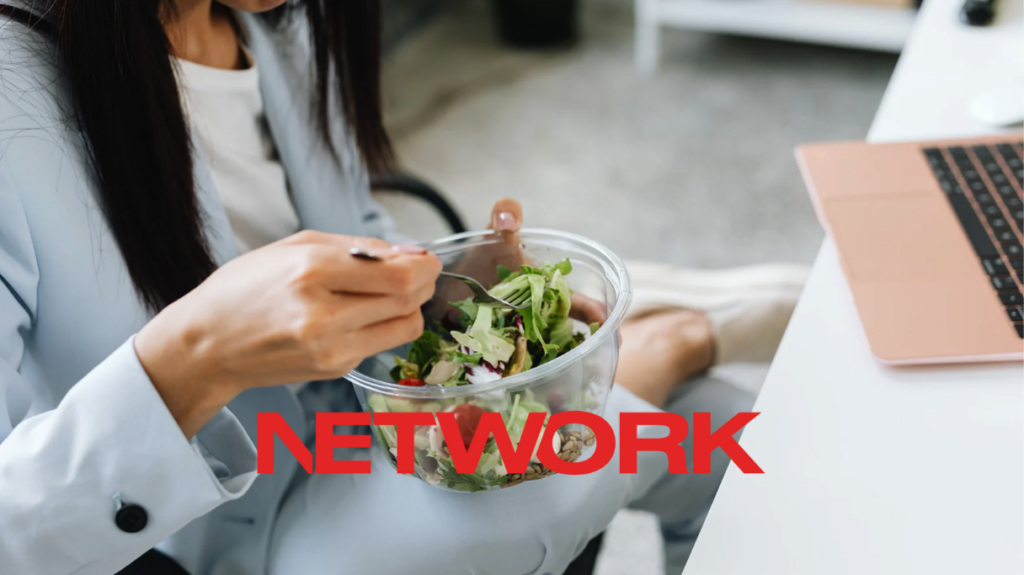
In the modern corporate world, time is money—and often, so is your health. The pace of business today means early meetings, back-to-back calls, working lunches, late-night deadlines, and too much reliance on the office vending machine or last-minute takeout. For high-performing professionals, nutrition is rarely at the top of the to-do list. Yet, what and how you eat profoundly affects your energy, focus, mood, and long-term health.
That’s where smart eating comes in. Think of it as nutrition designed for people who demand efficiency and results, without the hassle of rigid diets or unrealistic routines. With a few strategic adjustments and a little forethought, you can fuel your career without compromising your body or your well-being.
This article breaks down a practical, real-world approach to structuring a corporate day with meals, prepping in advance, managing client lunches and dinners, and choosing the right snacks and drinks—all without derailing your productivity.
Why Corporate Nutrition Matters
Before we get into the how-to, let’s set the stage. Corporate professionals face unique nutrition challenges:
- Unpredictable schedules – Long meetings, travel delays, or urgent deadlines often push meals back.
- Convenience-driven choices – Coffee, pastries, or whatever is available in the office pantry.
- Social dining – Business lunches or dinners often involve indulgent menus and alcohol.
- High stress levels – Stress increases cravings for sugar and fatty foods, and disrupts digestion.
The outcome? Energy crashes in the afternoon, sluggish decision-making, poor sleep, and long-term risks like weight gain or metabolic issues. But when you fuel your body intentionally, you gain sharper focus, sustained energy, and resilience under pressure—qualities every corporate professional needs.
Structuring a Day of Smart Eating
One of the biggest misconceptions is that healthy eating requires elaborate meal prep or cooking. In reality, corporate nutrition works best with simplicity and consistency. Here’s a sample structure for a typical workday:
1. Morning Routine (Breakfast)
Start with something that balances protein, fiber, and healthy fats to stabilize blood sugar and prevent mid-morning crashes. Skip the heavy carb-loaded pastries or sugar-laden lattes that spike energy and then leave you drained.
Quick, Smart Options:
- Greek yogurt with a handful of nuts and berries (prep the night before in a portable container).
- Overnight oats made with chia seeds, almond butter, and fruit.
- A boiled egg with whole-grain toast and avocado.
- A protein smoothie with spinach, frozen berries, protein powder, and unsweetened almond milk.
Pro Tip: If mornings are hectic, prep breakfasts in batches on Sunday evening. Overnight oats or smoothie packs in freezer bags save time.
2. Mid-Morning Snack (Optional)
Not everyone needs this snack, but if you have a long gap between breakfast and lunch or a particularly demanding morning, a smart snack prevents overindulgence later.
Healthy Grab-and-Go Ideas:
- A small apple with almond butter.
- A handful of unsalted mixed nuts.
- Baby carrots with hummus cups (pre-portioned).
- String cheese or a mini Greek yogurt.
3. Lunch at Work
This is where many corporate professionals struggle. The goal is to stay energized and avoid the “afternoon slump.” That means prioritizing lean protein, complex carbs, and veggies over heavy, fried, or creamy dishes.
If You’re Bringing Lunch:
- Salad bowls: Start with greens, add grilled chicken, chickpeas, or salmon, then top with olive oil and vinegar.
- Grain bowls: Quinoa or brown rice base, roasted vegetables, lean protein, plus a tahini or lemon dressing.
- Wraps: Whole-grain tortilla with turkey, hummus, and veggies.
- Batch-prepped meals: Chicken stir-fry with mixed vegetables, or salmon with roasted sweet potatoes.
If You’re Eating Out:
- Choose grilled or roasted proteins (chicken, fish, tofu).
- Ask for dressing on the side when ordering salads.
- Opt for steamed or roasted sides instead of fries.
- Watch portion sizes—many restaurants serve double what you need.
Pro Tip: When eating with colleagues or clients, scan the menu in advance. Decide on a healthy option before you’re hungry and swayed by group choices.
4. Afternoon Snack
This is prime “slump” time for corporate workers. Many reach for coffee and cookies, but smarter snacks provide steady energy without the crash.
Great Options:
- Rice cakes with almond butter.
- Edamame pods with a sprinkle of sea salt.
- Dark chocolate (70%+) with a handful of walnuts.
- Protein bar (look for <10g sugar and >12g protein).
Drink Alternative: Matcha green tea. It provides caffeine but with a smoother, longer-lasting effect than coffee.
5. Dinner (Corporate Dinners or Home)
If you’re heading to a client dinner, this can be the trickiest part of the day. The key is to make strategic choices, not sacrifices.
At Corporate Dinners:
- Start with water and sip it consistently throughout.
- Order a starter salad or broth-based soup to fill up on fiber.
- Choose grilled or baked proteins over fried dishes.
- Limit heavy sauces—request them on the side if possible.
- If alcohol is expected, stick to one glass of wine or a clear spirit with soda water. Alternate with water.
At Home After Work:
Keep dinner lighter, especially if you’ve eaten out at lunch. Think protein + vegetables + a modest carb source.
Simple Ideas:
- Grilled salmon with steamed broccoli and quinoa.
- Stir-fry with shrimp, mixed vegetables, and cauliflower rice.
- Turkey chili with beans and side salad.
Pro Tip: If your day runs late, prep freezer-friendly meals on weekends so you can just heat and eat.
6. Evening Snack (Optional)
If you’re still hungry late at night, avoid high-sugar or salty processed snacks that disrupt sleep.
Better Choices:
- Herbal tea with a handful of pistachios.
- Cottage cheese with sliced fruit.
- A small banana with peanut butter.
Pre-Prepared Meal Strategy
The easiest way to succeed is by batch prepping. You don’t need to cook every meal, but a few hours once or twice a week can set you up for success.
Batch Prep Ideas:
- Cook a protein (chicken, turkey, salmon) in bulk.
- Roast a tray of mixed vegetables (sweet potatoes, zucchini, broccoli).
- Cook a grain like quinoa, brown rice, or farro.
- Pre-portion snacks into containers or zip bags.
This “modular prep” lets you mix and match meals during the week without getting bored. For example, quinoa with roasted chicken and veggies one day, then the same quinoa base with salmon and avocado the next.
Smart Snacking in the Office
The vending machine is tempting, but it’s usually full of sugar bombs. Instead, stock your desk or bag with:
- Single-serve packs of nuts.
- Protein bars or jerky.
- Individual nut butter squeeze packs.
- Herbal teas or green tea bags.
Keeping healthy snacks visible makes you less likely to cave to donuts in the break room.
Smart Drinks: Beyond Coffee
Hydration is critical for focus and productivity, but many corporate professionals rely on coffee all day long. While coffee has benefits, too much can cause jitters, energy crashes, and poor sleep.
Smart Drink Alternatives:
- Water: Aim for 2–3 liters daily. Infuse with lemon, cucumber, or mint for variety.
- Green tea or matcha: Provides antioxidants and steady caffeine release.
- Sparkling water: Great alternative to soda.
- Kombucha: Adds probiotics, but watch the sugar content.
Travel and On-the-Go Tips
For frequent flyers or road warriors, smart eating is even more essential. Airports and hotels often lack healthy options, but with planning you can stay on track.
Tips:
- Carry snacks like nuts, protein bars, or jerky in your bag.
- In airports, look for yogurt parfaits, fruit, or salads.
- At hotels, request a fridge for storing pre-packed items.
- Skip heavy fast food in favor of grilled proteins and vegetables whenever possible.
Mindset: Progress, Not Perfection
Corporate life is unpredictable, and sometimes you’ll end up with pizza at a late-night strategy session or dessert at a client dinner. That’s okay. The goal isn’t perfection—it’s consistency. One indulgent meal won’t derail your health, but weeks of neglect will.
Think of smart eating like compound interest: small, consistent investments in your nutrition add up over time to create sustained energy, sharper thinking, and long-term health.
Smart Corporate Meal Plan: One Week at a Glance

IMPORTANT NOTE: All information relating to meal and food choices in this article are there for guidance. For more specific or prescribed recommendations please speak to a Health and Wellbeing Professional such as a nutritionist or dietician.
Final Takeaway
Smart eating for corporate professionals isn’t about restriction or complexity. It’s about strategic simplicity: prepping in advance, making better choices when eating out, and keeping healthy snacks and drinks within reach. By structuring your day with balanced meals, staying hydrated, and managing social dining wisely, you can fuel both your career and your body—without the hassle.
Remember: in business, preparation and foresight create success. The same goes for your meals. Plan smart, eat smart, and let your nutrition work as hard as you do.
Please Note: The information provided in this article are the opinions and professional experience of the author and not all activities are recommended for the beginner or participants with underlying health conditions. This author has no affiliation with any of the products mentioned. Before following any advice or starting any fitness, health and wellbeing journey please consult with an Allied Health Professional and / or General Practitioner.