Micro workouts have quickly become a go-to option for people looking to stay active without committing to long gym sessions. The funny thing is, they aren’t actually new at all—they’ve just finally started getting the attention they deserve. So what makes them so appealing? Let’s break it down in plain, practical terms.
Micro workouts are short, high-intensity bursts of exercise, usually performed in a HIIT-style format. Instead of grinding through an hour-long workout, you can get genuinely effective training done in as little as four to twelve minutes. Yes—minutes! Despite their short duration, they’re designed to deliver real results.
One of the biggest perks of micro workouts is how adaptable they are. Whether you’re into lifting, cardio, functional training, or bodyweight exercises, there’s a micro-style session that fits your preference. You can use whatever you have available—dumbbells, a kettlebell, a skipping rope, or just your own bodyweight. They’re incredibly easy to customize to your schedule, your goals, and even your energy level.
The real “secret sauce” behind micro workouts is intensity. Because you’re working hard for short periods, you challenge your cardiovascular system, wake up your muscles, and ramp up your metabolism. Think quick complexes with barbells or kettlebells, fast-paced sprints, or a simple bodyweight interval circuit. These condensed bursts are designed to give you maximum benefit without eating up your entire day.
Science supports their effectiveness too—HIIT-style training is linked to improvements in heart health, stamina, and weight control. It’s a great option for anyone looking to make progress without reorganizing their whole life around the gym. Busy workday? Kids running circles around you? Not a fan of long workouts? Micro workouts slot perfectly into tight schedules.
Popular Micro Workout Formats
Here are some well-loved styles you might have seen:
- Tabata Rounds: 20 seconds full effort, 10 seconds rest, repeated 8 times. Complete 3–4 cycles.
- 1-Minute Intervals: 20 seconds on / 40 seconds off, or 30/30 splits.
- Resistance Complexes: A chain of weighted exercises performed back-to-back with very limited rest.
Why Are People Turning to Micro Workouts?
A huge reason they’re gaining momentum is simple: people want efficient, no-fuss solutions. Life is fast-paced, and squeezing in lengthy workouts can feel overwhelming. Micro sessions solve that problem by offering meaningful training in tiny chunks of time. They’re also great add-ons to a regular workout plan. For instance, after a strength-training day, you can tack on a short conditioning piece to spike your heart rate without adding another half-hour to your session.
Are Micro Workouts Truly Effective?
Absolutely—and the science behind them is actually pretty fascinating. Micro workouts work so well because they rely on high-intensity effort, which pushes your body into a state where it needs more energy than oxygen alone can supply. When this happens, you shift from aerobic metabolism (the kind your body uses during steady, moderate exercise) into anaerobic metabolism. This is a powerful zone for fat burning and muscular adaptation.
Because your body is essentially “borrowing” energy it can’t fully support in the moment, it has to pay that oxygen debt back later. This “payback” period is known as EPOC—Excess Post-Exercise Oxygen Consumption. During EPOC, your system works to restore oxygen levels, repair tissues, clear lactate, rebalance hormones, and bring everything back to baseline. All of this effort requires extra energy, which means your body continues to burn calories long after you’ve finished the workout—sometimes for up to a full day if the intensity was high enough.
Another reason micro workouts shine is their heightened recruitment of fast-twitch muscle fibers, the powerful fibers responsible for explosive strength and speed. These fibers burn more energy, fatigue more quickly, and require more recovery. Training them boosts overall power, athleticism, and metabolic rate. Since fast-twitch fibers are metabolically demanding, activating them leads to a significant calorie burn both during and after your session.
There’s also a hormonal element at play. High-intensity training can temporarily increase hormones such as epinephrine and norepinephrine, which help your body mobilize stored fat for fuel. It may also trigger short-term boosts in growth hormone, which supports muscle repair and fat metabolism. These hormonal changes, while brief, contribute to greater metabolic efficiency.
Micro workouts also enhance metabolic flexibility—your body’s ability to switch between using carbohydrates and fats efficiently depending on the intensity of activity. People with good metabolic flexibility tend to have steadier energy levels, better blood sugar control, and healthier metabolic function overall. HIIT-style bursts are an excellent way to train this adaptability.
When you combine anaerobic demand, fast-twitch recruitment, hormonal responses, and the metabolic afterburn effect, it becomes clear why a well-executed 10–12 minute micro workout can sometimes rival a full hour of moderate exercise. It’s not about how long you train—it’s about how hard you’re working within that time.
Sample Micro Workouts
1. Tabata Circuit (4 minutes per round)
Repeat 2–3 rounds with a 1-minute break between:
- Burpees
- Rest
- Kick-sits
- Rest
- Step-ups
- Rest
- Skipping
- Rest
2. Cardio Intervals (6 minutes per round)
Choose one: rowing machine, spin bike, ski erg, or assault bike.
30 seconds hard effort / 30 seconds rest × 6
Rest 2 minutes, repeat.
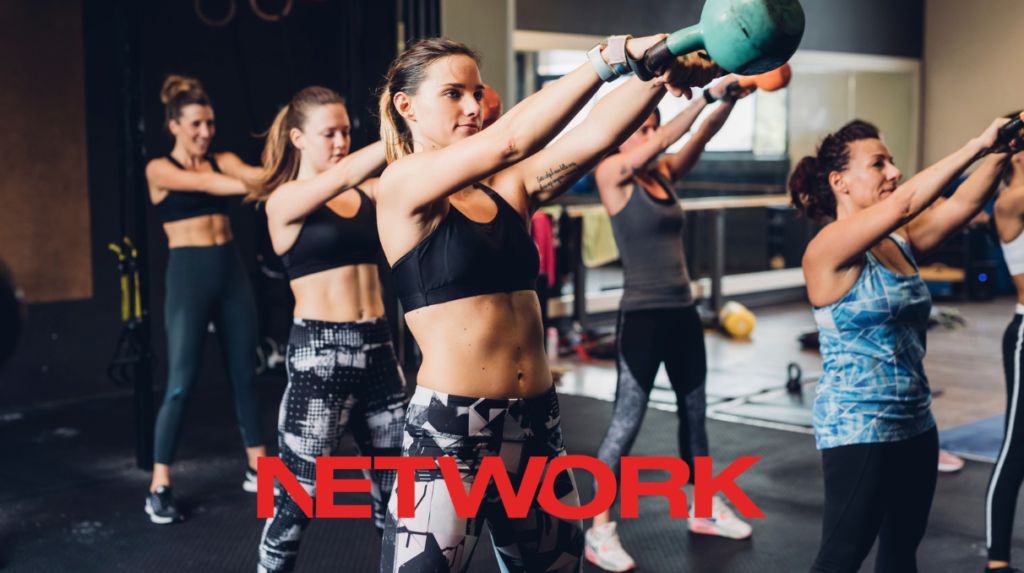
3. Kettlebell Complex
Perform 6 reps of each movement without pausing:
- Bent-over row
- Swing
- Clean
- Squat
- Push press
Rest 60–90 seconds; repeat 4 rounds.
The Takeaway
Micro workouts let you make the most of short windows of time while still moving you toward your fitness goals. They’re efficient, adaptable, and surprisingly powerful for improving conditioning, boosting metabolism, and supporting fat loss. With countless variations to choose from, anyone can find a micro workout that suits their lifestyle, equipment, and preferences. They’re solid proof that you don’t need hours of exercise to stay strong, healthy, and energized—you just need intensity, consistency, and a few minutes to spare.
Please Note: The information provided in this article are the opinions and professional experience of the author and not all activities are recommended for the beginner or participants with underlying health conditions. This author has no affiliation with any of the products mentioned. Before following any advice or starting any fitness, health and wellbeing journey please consult with an Allied Health Professional and / or General Practitioner.