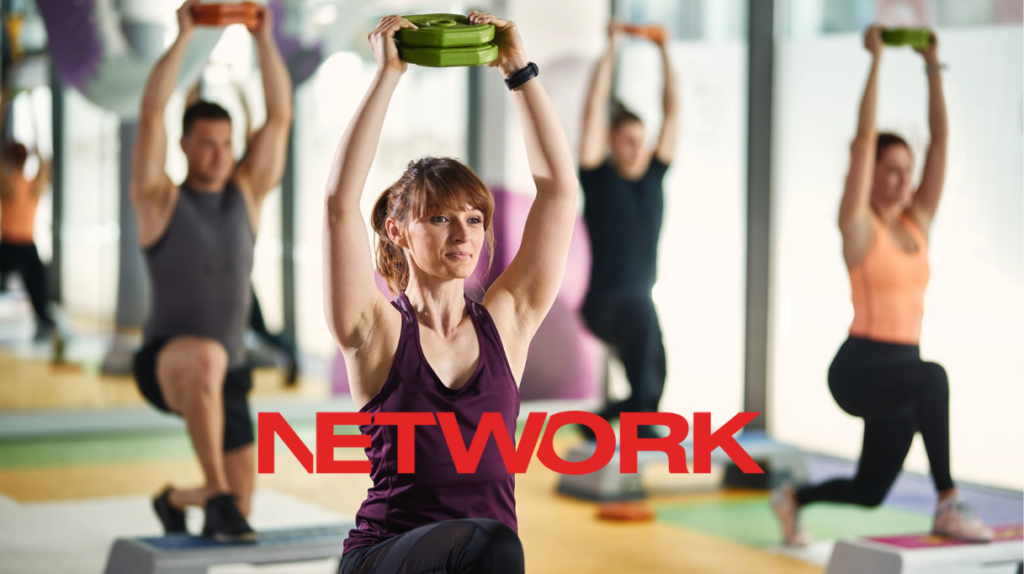
When it comes to achieving your fitness goals—whether you’re aiming to get fit, get strong, or lose weight—joining the right group fitness class can be a game-changer. Not only do these classes offer professional guidance, structure, and motivation, but they also foster a sense of community that helps you stay committed. But with so many options available, how do you know which class will get you closer to your goals?
In this article, we’ll break down how to choose the best group fitness class based on three popular fitness objectives: getting fit, getting strong, and losing weight. We’ll explore the science behind why each class works, discuss safety tips, show you where to find classes in Australia, and share some tips for getting started.
1. Getting Fit: Improving Cardiovascular and Muscular Endurance
What It Means to “Get Fit”
In this context, fitness means improving your overall health and performance by enhancing your cardiovascular system, increasing muscular endurance, and boosting energy levels. It also includes improved lung capacity, better blood circulation, and higher metabolic efficiency.
Best Group Fitness Classes for General Fitness
- HIIT (High-Intensity Interval Training)
- Circuit Training
- Zumba or Dance Cardio
- Spin Classes
- Functional Training
The Benefits:
Getting fit requires working your heart and lungs consistently. Classes like HIIT and spin elevate your heart rate into target aerobic and anaerobic zones, which strengthens your cardiovascular system over time. This leads to improved VO₂ max, meaning your body becomes more efficient at using oxygen during exercise.
HIIT-style classes alternate intense periods of work (like sprints or burpees) with short rests. This trains your heart to recover faster and improves metabolic flexibility—your body’s ability to switch between burning carbohydrates and fat. Over time, this results in increased stamina and better control over energy output.
Spin classes, in particular, are excellent for cardiovascular conditioning. The consistent pedaling motion and resistance levels simulate hill climbs and sprints, which improves leg endurance, strengthens your heart, and burns a significant amount of calories in a short time.
Dance cardio like Zumba is not just fun—it also activates large muscle groups rhythmically, enhances coordination, and improves mood through endorphin release. As a bonus, these classes often don’t feel like traditional workouts, which makes them easier to stick to long-term.
Functional training and circuit classes combine cardio and strength elements. Movements like squats, lunges, and push-ups build muscular endurance, while the fast-paced transitions keep your heart rate elevated, making your workouts efficient and comprehensive.
2. Getting Strong: Building Muscle and Increasing Strength
What It Means to “Get Strong”
Strength means more than just lifting heavy—it’s about building lean muscle mass, improving your bone density, supporting joint health, and increasing your ability to perform daily activities with ease. Strength also plays a vital role in metabolism and long-term physical health.
Best Group Fitness Classes for Strength
- BodyPump (Les Mills)
- CrossFit
- Kettlebell Classes
- Strength Circuits or Functional Strength Training
- Reformer Pilates (for core and muscular endurance)
The Benefits:
When you lift weights or engage in resistance-based movements, your muscles are subjected to controlled stress. This causes microscopic tears in the muscle fibers. When your body repairs these tears, the fibers grow back thicker and stronger—a process known as hypertrophy. Over time, this results in stronger muscles, improved endurance, and a leaner physique.
BodyPump classes focus on high-rep, low-weight resistance training that helps tone muscles and build muscular endurance. This method targets all major muscle groups and is especially effective for beginners and those returning to strength work after a break.
CrossFit incorporates Olympic lifts, bodyweight training, and functional movement patterns. It’s not just about strength—it’s about power, speed, and balance. The constantly varied programming helps develop well-rounded strength and encourages progress through measurable benchmarks.
Kettlebell training is highly effective due to its compound, full-body movements. Swings, cleans, and Turkish get-ups activate the core, posterior chain, and stabilizer muscles. This not only builds strength but also improves mobility and coordination.
Strength-focused reformer Pilates is often overlooked but is excellent for developing deep core strength, balance, and endurance. It helps stabilize joints, improves posture, and is particularly beneficial for people with injuries or imbalances.
Additionally, consistent strength training increases bone mineral density, which helps prevent conditions like osteoporosis. It also enhances insulin sensitivity, improves body composition by increasing lean muscle mass, and elevates your resting metabolic rate—meaning you burn more calories even at rest.
3. Losing Weight: Fat Loss and Metabolic Conditioning
What It Means to “Lose Weight”
For most people, losing weight refers to reducing body fat. This requires creating a consistent calorie deficit, where you burn more calories than you consume. Exercise plays a critical role, not only in helping burn calories but also in maintaining muscle mass during fat loss.
Best Group Fitness Classes for Weight Loss
- Bootcamp Classes
- MetCon (Metabolic Conditioning)
- Boxing Fitness
- Dance Fitness (Zumba, STRONG Nation)
- Aqua Aerobics (Low Impact Option)
The Benefits:
Weight loss is best achieved when you combine intense, calorie-burning exercise with dietary changes. Group fitness classes that focus on full-body, high-intensity movements are especially effective for this.
Metabolic conditioning (MetCon) classes train your body to perform at high intensity across various energy systems. These workouts often include exercises like sled pushes, kettlebell swings, or rowing sprints. They create a phenomenon called afterburn or EPOC (Excess Post-exercise Oxygen Consumption), which keeps your metabolism elevated for hours after the workout. This means you’re still burning calories even after you’ve finished training.
Bootcamps, which usually involve circuits, drills, and bodyweight movements, are designed to keep your heart rate high while engaging multiple muscle groups. This increases caloric expenditure and improves both aerobic and anaerobic capacity.
Boxing fitness blends cardio, core work, and muscular endurance. Punching drills, pad work, and plyometric movements not only burn hundreds of calories per session but also improve coordination, confidence, and stress management. Stress reduction plays an important role in fat loss by reducing cortisol levels that can promote fat storage.
Dance fitness classes offer a more playful but equally effective way to burn fat. The constant movement keeps your heart rate elevated, and classes can burn 400–700 calories in an hour depending on intensity. Because they’re enjoyable, you’re more likely to attend regularly—consistency is key to fat loss.
Aqua aerobics provides a lower-impact alternative that’s easy on joints but still effective for calorie burn and muscle toning. The water provides natural resistance, which increases effort and energy expenditure without stressing the joints.
Combined with a balanced diet, these types of classes support long-term fat loss, improved body composition, and sustainable weight management.
General Tips for Choosing the Right Class
- Assess Your Goals Clearly
Be specific. Instead of “I want to get fit,” try “I want to improve my stamina and run 5km comfortably” or “I want to gain 3kg of muscle.” - Trial Classes Are Your Friend
Most studios offer free or low-cost first sessions. Use these to experiment and find what you enjoy. - Consider Your Schedule and Lifestyle
Morning person? Look for early classes. Prefer flexible scheduling? Try gyms with virtual or on-demand classes. - Check Instructor Credentials
Look for trainers certified through reputable Australian organisations to ensure safety and professionalism. - Account for Injuries or Limitations
Choose beginner classes or speak with instructors beforehand to modify movements if needed.
Where to Access Classes in Australia
- F45 Training – Found in cities and suburbs nationwide; great for functional fitness and fat loss.
- Les Mills at Goodlife or Fitness First – Offers BodyPump, BodyCombat, and more for strength and cardio.
- UBX (formerly 12RND) and 9Round – For boxing fitness in a circuit-style environment.
- KX Pilates and Studio Pilates – High-intensity reformer Pilates for strength and toning.
- Local councils and aquatic centres – Provide affordable or free outdoor bootcamps and aqua classes.
Getting Started Recommendations
- Start Slow: Choose 2–3 classes per week to allow your body time to adapt.
- Bring Essentials: A water bottle, towel, and supportive shoes are must-haves.
- Track Progress: Use fitness apps or a journal to note energy levels, improvements, or weight changes.
- Stay Consistent: The best class is the one you can attend regularly. Make it a habit before seeking perfection.
Final Thoughts
Group fitness classes can help you reach your health and wellness goals more efficiently—and more enjoyably. Whether your aim is to get fit, get strong, or lose weight, there’s a class that’s right for you.
By understanding how each class supports your goals through science-backed principles and applying smart safety and lifestyle considerations, you’ll be better equipped to make the right choice and stick with it.
Fitness is a journey, and the right group class can be the catalyst you need to stay on track, have fun, and see results.
Please Note: The information provided in this article are the opinions and professional experience of the author and not all activities are recommended for the beginner or participants with underlying health conditions. This author has no affiliation with any of the products mentioned. Before following any advice or starting any fitness, health and wellbeing journey please consult with an Allied Health Professional and / or General Practitioner.