
The Fitness Zone
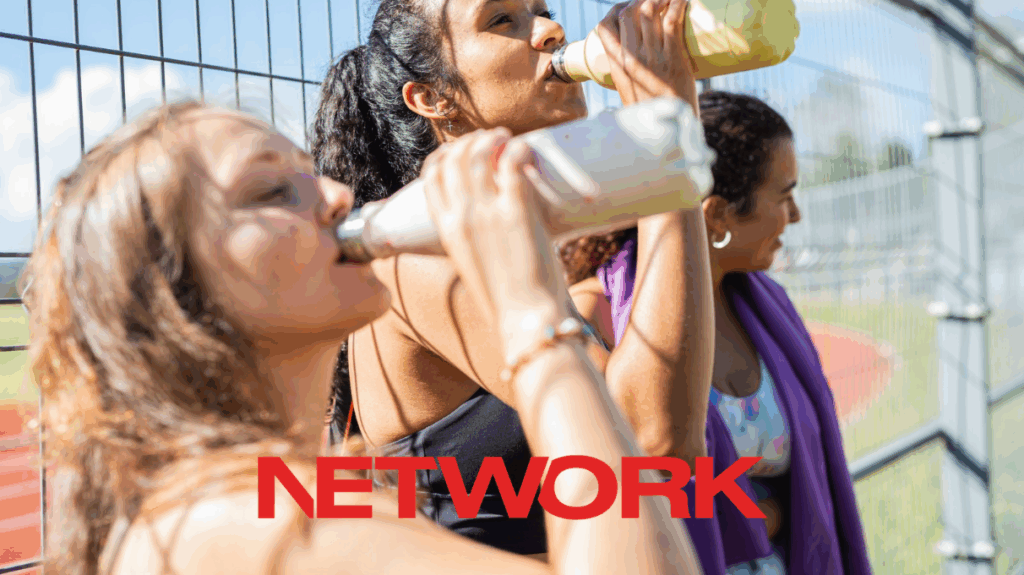
Are you Dehydrated?
Hydration is one of the simplest, strongest foundations of performance — yet it’s also one of the easiest to overlook. You can train hard, eat clean, and dial in your recovery, but if you’re under-hydrated, your body and brain won’t run at full power. So how do you really know if you’re dehydrated? Let’s explore the science and the signs.
The Sciencey Overview
Dehydration occurs when your body loses more fluids than it takes in, reducing total water volume inside cells, tissues, and blood. Since water makes up roughly 50–70% of the human body, even mild dehydration (around 1–2% body weight loss from fluid) can impair physical and cognitive performance.
Hydration affects:
- Blood volume and circulation
- Thermoregulation (your ability to cool down)
- Muscle contraction
- Electrolyte balance
- Brain function and reaction time
Water loss happens through sweating, breathing, urination, and even digestion. During exercise or hot weather, these losses increase dramatically, which means staying hydrated takes active effort — not guesswork.
Reference: Centers for Disease Control and Prevention (CDC). “About Water and Healthier Drinks.”
Health Considerations
Dehydration isn’t just about being thirsty. Here are key factors to keep in mind:
- Early dehydration is subtle: Fatigue, headaches, sluggishness, and difficulty concentrating often appear before intense thirst does.
- Fluid needs vary: Activity level, climate, body size, diet, and sweat rate all influence how much water you need.
- Electrolytes matter: Sodium, potassium, and magnesium support muscle and nerve function. Rehydrating with only water after heavy sweating can dilute electrolytes.
- Chronic under-hydration adds up: Over time it can affect digestion, joint lubrication, blood pressure, kidney function, and workout quality.
Hydration isn’t a one-time task — it’s an ongoing physiological balance.
Active Steps To Stay Properly Hydrated
- Check Your Baseline:
Light yellow urine generally suggests good hydration. Dark yellow or amber is often a sign to drink more. - Hydrate Throughout The Day:
Spread your intake instead of chugging large amounts at once. Consistency helps your body absorb and use fluids better. - Fuel Hydration With Electrolytes:
If you train intensely, sweat heavily, or exercise in heat, incorporate electrolyte-rich drinks or foods to maintain balance. - Drink Before You Feel Thirsty:
Thirst is a late-stage signal. Hydrating pre-workout improves endurance, strength, and recovery. - Eat Hydrating Foods:
Fruits and vegetables like cucumber, watermelon, citrus, lettuce, and bell peppers contribute to fluid intake. - Monitor Your Environment:
Heat, humidity, air conditioning, and altitude can all increase your fluid needs — even at rest.
The Takeaway
Dehydration doesn’t just slow you down — it limits your strength, clarity, and overall performance. Staying hydrated is one of the simplest ways to feel better, train harder, and recover quicker.
Remember:
- Hydration fuels your movement.
- Hydration sharpens your mind.
- Hydration supports every system in your body.
Drink smart, stay steady, and keep shouting your health.
Please Note: The information provided in this article are the opinions and professional experience of the author and not all activities are recommended for the beginner or participants with underlying health conditions. Before following any advice or starting any fitness, health and wellbeing journey please consult with an Allied Health Professional and / or General Practitioner.

Steve Irwin
Read more articles
Disclaimer: Where Certificate III in Fitness, Cert III/Cert 3, or Fitness Coach is mentioned, it refers to SIS30321 Certificate III in Fitness. Where Certificate IV in Fitness, Cert IV/Cert 4, or Personal Trainer is mentioned, it refers to SIS40221 Certificate IV in Fitness. Where Master Trainer Program™ is mentioned, it refers to Fitness Essentials and SIS40221 Certificate IV in Fitness. Where Master Trainer Plus+ Program™ is mentioned, it refers to SIS30321 Certificate III in Fitness and SIS40221 Certificate IV in Fitness. Where Certificate IV in Massage or Cert IV/Cert 4 is mentioned, it refers to HLT42021 Certificate IV in Massage Therapy. Where Diploma of Remedial Massage is mentioned, it refers to HLT52021 Diploma of Remedial Massage.




- Master Personal Trainer Online Program
- Personal Trainer - SIS40221 CERTIFICATE IV IN FITNESS
- Fitness Coach - SIS30321 CERTIFICATE III IN FITNESS
Ready to kickstart your fitness career? Speak with our friendly Careers Team on 1300 669 669 or enquire now online.
Enquire Now IGNITE Learning Platform Login

