
The Fitness Zone
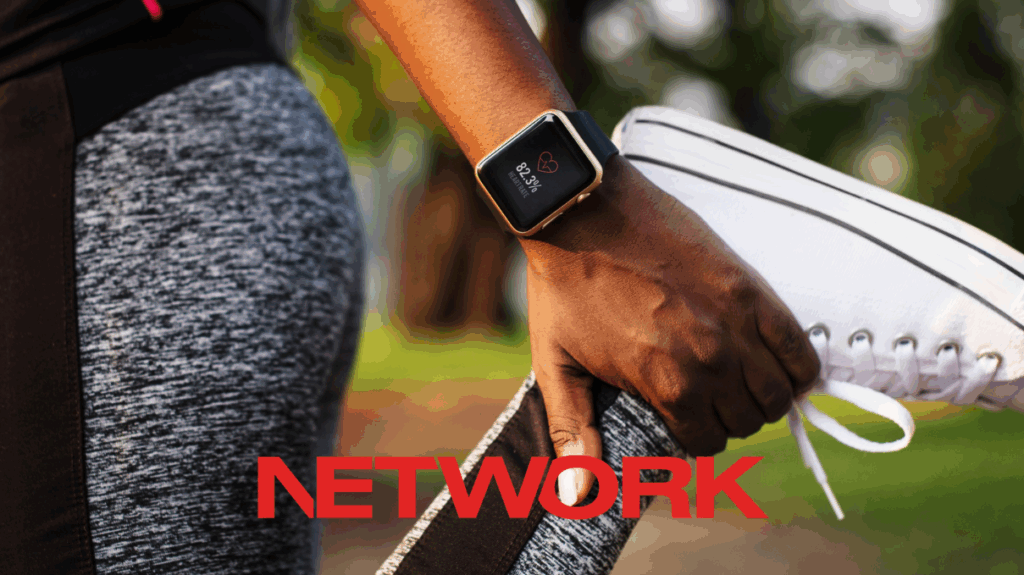
Reviewing the Top 10 Fitness Trends for 2025 – Number 1. Wearable Technology
Welcome to the last article in our series where we look back at the top 10 fitness trends of 2025 as surveyed by ACSM and ask ourselves: what it is, why it’s booming, how fitness professionals can harness it, and what the next few years look like?
The future of fitness isn’t just about how you move — it’s about how you measure it.
In 2025, wearable technology stands tall as the number one global fitness trend, and for good reason. From smartwatches and heart-rate monitors to biometric rings and performance-tracking clothing, wearable tech has revolutionized how people train, recover, and stay accountable.
What began as a novelty has evolved into a cornerstone of modern fitness and health optimization. Today’s wearables aren’t just counting steps — they’re decoding physiology.
With advanced sensors, AI-driven analytics, and seamless integration into every aspect of wellness, wearable tech has become the digital nervous system of the fitness world — connecting movement, recovery, sleep, and mindset into one intelligent ecosystem.
What Is Wearable Technology?
Wearable technology refers to smart devices worn on the body that collect and analyze data related to movement, health, and performance. These include:
- Smartwatches and fitness trackers (for steps, heart rate, and training zones)
- Heart-rate monitors and ECG sensors
- Smart rings that measure sleep, readiness, and recovery
- GPS-enabled devices for runners, cyclists, and outdoor athletes
- Smart clothing and shoes with embedded motion and pressure sensors
- Recovery wearables that track stress, temperature, and HRV (heart rate variability)
What sets 2025’s wearables apart is their ability to interpret data — not just collect it. Advanced algorithms turn raw metrics into actionable insights, giving users real-time feedback to optimize their training and daily habits.
Why It’s Popular In 2025
The dominance of wearable tech in 2025 is driven by an intersection of technological innovation, health awareness, and personalization.
Here’s why it remains the top trend worldwide:
- Personalized fitness. Wearables analyze unique data points — from sleep quality to strain — and adapt workouts accordingly.
- Data-driven decisions. Users can train smarter by understanding when to push harder or when to rest.
- Integration with everyday life. From gym sessions to workdays, wearables track everything seamlessly.
- Preventive health monitoring. Continuous tracking helps detect potential health issues early — from heart irregularities to overtraining symptoms.
- Motivation and accountability. Progress tracking, streaks, and goal reminders keep users consistent.
- Hybrid fitness synergy. Wearables sync effortlessly with mobile apps, smart gyms, and home equipment for a unified experience.
- Corporate and medical adoption. Businesses and healthcare providers now integrate wearables into wellness and chronic disease management programs.
Simply put: wearable technology empowers individuals to own their health story — with precision and personalization once reserved for elite athletes.
The Evolution Of Wearable Fitness
Wearables have come a long way from the early pedometers and step counters of the 2000s.
- 2010s: Fitness bands track steps and calories; early smartwatches emerge.
- Early 2020s: Heart-rate tracking, sleep monitoring, and GPS become standard.
- Mid-2020s: AI-driven coaching, recovery analytics, and multi-sensor integration redefine the category.
Today, wearables are not just fitness gadgets — they’re wellness companions, bridging the gap between exercise, health, and everyday living.
Who Benefits — And How
The reach of wearable technology extends across every age, fitness level, and professional domain.
- Everyday users: Gain motivation and awareness of their daily activity levels.
- Athletes: Monitor advanced performance metrics like VO₂ max, lactate threshold, and recovery readiness.
- Older adults: Benefit from heart monitoring, fall detection, and health alerts.
- Healthcare professionals: Use data to assess cardiovascular and metabolic health.
- Corporate wellness programs: Encourage activity and healthy habits among employees.
- Fitness trainers: Use wearables to personalize programs and track progress remotely.
Whether you’re chasing a marathon PR, improving your sleep, or managing your stress, wearable technology provides insight, accountability, and control.
How Fitness Professionals Can Leverage Wearable Tech
Wearables aren’t just for consumers — they’re a goldmine of opportunity for fitness professionals.
Here’s how trainers, coaches, and gyms can integrate them effectively:
- Data-informed coaching. Use wearable data to monitor clients’ effort, recovery, and heart-rate zones in real time.
- Remote training programs. Connect to clients’ devices to provide virtual accountability and feedback.
- Personalized programming. Tailor workouts to clients’ biometric responses — sleep, stress, or heart rate variability.
- Client engagement. Use shared data dashboards and goal tracking to enhance motivation.
- Hybrid models. Combine in-person sessions with wearable data analysis for a complete coaching experience.
- Performance benchmarking. Track improvement over time with objective metrics.
- Corporate partnerships. Offer group data insights for company wellness challenges.
In short, wearable tech allows fitness professionals to move beyond subjective coaching and deliver quantifiable results.
The Science Of Feedback And Optimization
What makes wearable technology so transformative is biofeedback — the process of turning body data into behavior change.
Here’s how it works:
- Heart rate monitoring: Helps users train in optimal zones for fat burn, endurance, or recovery.
- Heart rate variability (HRV): Indicates readiness and stress levels, guiding rest and recovery.
- Sleep analysis: Measures quality, duration, and cycles to inform daily performance.
- Strain and load tracking: Prevents overtraining by quantifying exertion and recovery balance.
- GPS and motion tracking: Enhances precision for runners, cyclists, and outdoor athletes.
- Respiration and temperature tracking: Offers insight into metabolism, hydration, and illness prediction.
By converting physiological signals into actionable advice, wearables create a closed feedback loop — measure, interpret, adjust, improve.
Why Wearables Enhance Consistency
Data is powerful, but behavioral psychology is the real magic behind wearable success.
People stick to habits they can measure. Wearables offer continuous validation through progress charts, notifications, and rewards. Every metric — from daily steps to improved sleep — becomes a small win.
This instant feedback loop keeps users engaged and accountable, transforming fitness from a short-term goal into a lifelong practice.
Business Models Driving The Wearable Revolution
Wearable technology has become a multi-billion-dollar industry because it offers diverse pathways for innovation and profit:
- Device sales: Hardware like watches, rings, and sensors.
- Subscription ecosystems: Premium analytics, AI coaching, or wellness dashboards.
- Corporate wellness programs: Subscription wearables offered as employee health incentives.
- Healthcare integration: Remote patient monitoring using medical-grade wearables.
- Hybrid partnerships: Fitness brands collaborating with tech companies for exclusive features.
- Data-driven insights: Aggregated (and anonymized) analytics used to improve product design and public health research.
For fitness businesses, wearable partnerships create a new frontier of engagement, retention, and measurable success.
What The Future Holds
Short term (1–3 years)
- Advanced recovery insights: Real-time monitoring of stress, HRV, and inflammation.
- Seamless app integration: Cross-platform syncing between gyms, coaches, and mobile apps.
- AI-powered recommendations: Automatic adjustment of training loads based on readiness.
Medium term (3–5 years)
- Smart clothing and accessories: Wearables embedded in shirts, shoes, and even jewelry.
- Predictive health analytics: Early detection of cardiovascular, metabolic, or sleep disorders.
- Energy and hydration sensors: Non-invasive tracking of fuel needs during workouts.
Long term (5+ years)
- Continuous metabolic tracking: Glucose and oxygen sensors providing live insights without blood draws.
- Neurofeedback integration: Brainwave monitoring for focus and stress regulation.
- Full-body biometrics: Wearables that create 360° health profiles — linking movement, nutrition, and mood in real time.
The future of wearables will merge fitness, health, and longevity, helping people optimize not just how they perform — but how they live.
Cautions And Considerations
While wearable tech brings powerful benefits, it’s not without challenges:
- Data overload. Too much information can overwhelm or discourage users.
- Accuracy variance. Consumer-grade devices may provide estimates, not medical precision.
- Privacy concerns. Users must ensure data is stored securely and ethically.
- Overreliance. Metrics can overshadow intuitive listening to one’s own body.
- Accessibility. High-end devices can be costly, limiting availability for some demographics.
The solution lies in education: fitness professionals and consumers alike should learn to interpret wearable data as guidance, not gospel.
Why This Trend Matters
Wearable technology represents more than just innovation — it symbolizes the fusion of science and self-awareness.
For the first time in history, individuals can track, understand, and influence their physiology in real time. That level of insight has democratized fitness and created a culture of self-optimization once reserved for professional athletes.
It also marks a major step forward in preventive health — empowering people to identify risks early, adjust behavior, and sustain long-term wellbeing.
For the fitness industry, it’s a revolution of precision, personalization, and partnership between humans and machines.
Conclusion
In 2025, wearable technology isn’t just tracking what we do — it’s transforming how we think about health itself.
It’s creating a world where every heartbeat, every rep, and every recovery moment contributes to a deeper understanding of the human body.
- For consumers, it’s empowerment.
- For professionals, it’s innovation.
- For the industry, it’s evolution.
Wearable technology sits at the intersection of biology and data — reminding us that fitness isn’t just physical anymore. It’s digital, personal, and profoundly human.
The future of fitness is measurable, intelligent, and wearable — and it’s already here.
Wrap-Up: Looking Back — And Ahead To 2026
As we come to the end of this series, let’s take a quick look at what we’ve covered — and a glimpse into what’s ahead for 2026.
In 2025, fitness became more personal, data-driven, and holistic than ever before. We explored health coaching, functional fitness, and mental wellness through exercise, along with the continued rise of HIIT, strength training, and older adult programs focused on longevity and independence. Technology also took center stage — from data-driven tools and mobile apps to wearable devices that made health tracking seamless and smart.
Together, these trends show a shift toward fitness that’s smarter, more inclusive, and more connected.
Looking ahead to 2026, expect AI integration, mental recovery, and sustainability to lead the way — with programs that adapt uniquely to every individual.
The future of fitness isn’t just about moving more — it’s about living better, longer, and with purpose.
Please Note: The information provided in this article are the opinions and professional experience of the author and not all activities are recommended for the beginner or participants with underlying health conditions. This author has no affiliation with any of the products mentioned. Before following any advice or starting any fitness, health and wellbeing journey please consult with an Allied Health Professional and / or General Practitioner.
| References |
| ACSM’s 2025 industry survey |

Steve Irwin
Read more articles
Disclaimer: Where Certificate III in Fitness, Cert III/Cert 3, or Fitness Coach is mentioned, it refers to SIS30321 Certificate III in Fitness. Where Certificate IV in Fitness, Cert IV/Cert 4, or Personal Trainer is mentioned, it refers to SIS40221 Certificate IV in Fitness. Where Master Trainer Program™ is mentioned, it refers to Fitness Essentials and SIS40221 Certificate IV in Fitness. Where Master Trainer Plus+ Program™ is mentioned, it refers to SIS30321 Certificate III in Fitness and SIS40221 Certificate IV in Fitness. Where Certificate IV in Massage or Cert IV/Cert 4 is mentioned, it refers to HLT42021 Certificate IV in Massage Therapy. Where Diploma of Remedial Massage is mentioned, it refers to HLT52021 Diploma of Remedial Massage.




- Master Personal Trainer Online Program
- Personal Trainer - SIS40221 CERTIFICATE IV IN FITNESS
- Fitness Coach - SIS30321 CERTIFICATE III IN FITNESS
Ready to kickstart your fitness career? Speak with our friendly Careers Team on 1300 669 669 or enquire now online.
Enquire Now IGNITE Learning Platform Login

