
The Fitness Zone
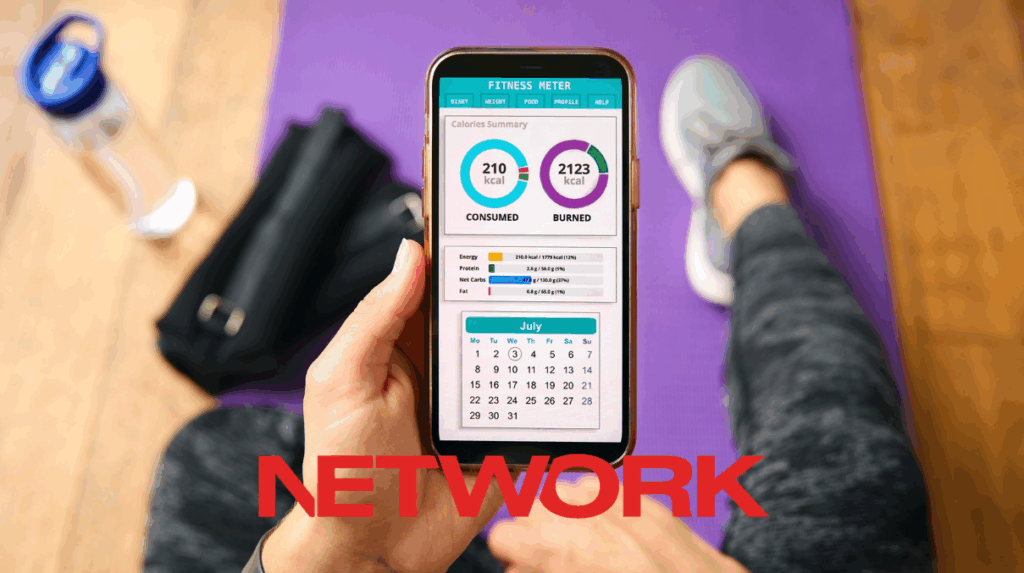
Reviewing the Top 10 Fitness Trends for 2025 – Number 2. Mobile Exercise Applications (Apps)
Welcome to this series of articles where we look back at the top 10 fitness trends of 2025 as surveyed by ACSM and ask ourselves: what it is, why it’s booming, how fitness professionals can harness it, and what the next few years look like?
Fitness has officially gone mobile — and it’s not slowing down.
In 2025, mobile exercise applications have solidified their position as one of the most powerful tools in the global fitness industry. From AI-driven coaching to community-based motivation, these apps are transforming how people exercise, track progress, and stay accountable.
No longer just digital workout libraries, mobile fitness apps have become personalized wellness ecosystems — combining data analytics, wearable integration, habit tracking, and social engagement to deliver fitness that fits in the palm of your hand.
As the line between technology and training continues to blur, the fitness app revolution isn’t just about convenience — it’s about accessibility, personalization, and empowerment.
What Are Mobile Exercise Applications?
Mobile exercise applications — or fitness apps — are software platforms designed to help users plan, perform, and track physical activity via smartphones or tablets.
But in 2025, they’ve evolved far beyond simple workout videos. Today’s fitness apps integrate real-time coaching, AI personalization, and cross-platform health syncing, creating a complete fitness experience that adapts to each user’s goals, habits, and preferences.
Here’s what defines the modern fitness app landscape:
- AI-powered personalization: Apps analyze user data (e.g., heart rate, sleep, recovery) to build customized workout plans that evolve automatically.
- Wearable integration: Apps sync seamlessly with devices like smartwatches, heart-rate monitors, and smart scales.
- Real-time feedback: Advanced motion tracking and biometric data provide immediate coaching cues and form correction.
- Gamification: Users stay motivated through challenges, badges, streaks, and community leaderboards.
- Holistic wellness: Many apps now include nutrition tracking, mindfulness tools, and recovery analytics.
- Community engagement: Built-in social features and online groups create accountability and connection.
In short, mobile exercise apps in 2025 don’t just deliver workouts — they deliver coaching, connection, and continuity.
Why It’s Popular In 2025
Several powerful forces have propelled mobile fitness apps into the number two spot on this year’s trend list:
- Accessibility and convenience. Users can work out anywhere, anytime — at home, in the gym, or on the go.
- Affordability. Apps offer professional-level training and tracking at a fraction of the cost of personal training or gym memberships.
- Personalization through data. With AI and machine learning, apps can now tailor training to individual goals, recovery, and performance.
- Hybrid fitness culture. Many people now combine in-person workouts with app-based tracking or supplemental sessions.
- Global reach. Fitness apps break down barriers of geography, providing high-quality instruction to people worldwide.
- Integration with health tech. Apps sync with smart devices, making progress tracking more precise and automatic.
- Post-pandemic digital comfort. The home workout revolution of the early 2020s cemented digital fitness as a lasting habit.
For today’s consumers, mobile fitness apps are more than a convenience — they’re a lifestyle anchor.
Who Benefits From This Trend
Everyone.
Fitness apps are democratizing health and exercise in a way traditional fitness never could.
- Beginners: Gain structured guidance and education without intimidation.
- Busy professionals: Access quick, effective workouts that fit tight schedules.
- Athletes: Use data-driven analytics for performance optimization.
- Older adults: Benefit from adaptive, low-impact routines with safety monitoring.
- Fitness enthusiasts: Supplement gym training with goal tracking, recovery data, and challenges.
- Trainers and coaches: Reach global audiences and scale their business digitally.
Apps offer a personalized coach in your pocket — flexible, motivating, and responsive.
How Fitness Professionals Can Leverage This Trend
The rapid rise of mobile exercise apps doesn’t mean traditional trainers or gyms are obsolete — it means they have new tools and opportunities.
Here’s how professionals can capitalize on the trend:
- Create branded training apps. Many platforms allow trainers to host their own workout libraries and subscription programs.
- Use apps to enhance in-person coaching. Track clients’ activity, nutrition, and recovery between sessions.
- Offer hybrid memberships. Combine live training with app-based programs for accountability and flexibility.
- Build digital communities. Use social features, chat groups, and leaderboards to maintain client motivation.
- Collect data for better programming. Leverage app analytics to personalize programs and monitor adherence.
- Offer remote coaching. Expand reach beyond local clients with app-based one-on-one or group programs.
- Monetize digital content. Sell training plans, nutrition guides, or exclusive app memberships.
Apps aren’t replacing trainers — they’re amplifying their reach and enabling more consistent client engagement.
The Evolution Of Fitness Apps
To understand where mobile exercise applications are today, it helps to see how far they’ve come:
- Early 2010s: Step counters and basic workout timers.
- Mid-2010s: Library-style apps with preset routines and tracking logs.
- Early 2020s: Streaming platforms, live classes, and subscription models.
- Mid-2020s: AI-driven personalization, biometrics integration, and social ecosystems.
In 2025, fitness apps aren’t competing with gyms — they’re complementing them. Many gyms now use apps to manage memberships, deliver hybrid programming, and provide digital accountability between visits.
This shift has transformed fitness apps from gadgets into core infrastructure for modern fitness.
The Technology Behind The Trend
Modern mobile exercise apps are powered by several cutting-edge technologies:
- Artificial Intelligence (AI): Adapts programs based on user feedback, performance, and recovery data.
- Machine Learning (ML): Improves recommendations as users progress.
- Computer Vision: Enables movement tracking and real-time form correction using smartphone cameras.
- Wearable sensors: Monitor heart rate, steps, calories, sleep, and stress to inform training adjustments.
- Cloud integration: Syncs data across devices for seamless tracking.
- Gamification engines: Create motivation loops through rewards and social ranking systems.
Together, these innovations make fitness apps more responsive, engaging, and scientifically grounded than ever before.
Why Users Stay Loyal To Apps
The best apps go beyond workouts — they build habits and identity.
- Immediate feedback: Users see progress in real time, keeping motivation high.
- Consistency: Push notifications and reminders promote daily activity.
- Community support: Peer accountability drives long-term adherence.
- Data visualization: Charts, trends, and badges create a sense of achievement.
- Flexibility: Users can adapt programs to their schedule and fitness level.
In other words, fitness apps don’t just track workouts — they engineer consistency.
Business Models Driving Success In 2025
Fitness apps thrive under diverse monetization models:
- Subscription-based services: Monthly or annual access to premium features or coaches.
- Freemium models: Basic access for free, with paid upgrades for advanced functionality.
- Coaching platforms: Personalized virtual training and feedback from real coaches.
- Corporate wellness partnerships: Companies offer app access as part of employee health programs.
- Gym integrations: White-label app solutions for gyms to manage hybrid memberships.
- AI and data analytics services: Selling anonymized performance insights to improve fitness technology.
The result? A dynamic, multi-billion-dollar industry that’s becoming as essential to fitness as the gym itself.
What The Future Holds
Short term (1–3 years)
- Greater integration between wearables, nutrition trackers, and mental health tools.
- The rise of AI coaches offering real-time correction via motion capture.
- Expansion of corporate fitness app partnerships for employee wellbeing programs.
Medium term (3–5 years)
- Growth of personalized subscription ecosystems, blending fitness, sleep, and nutrition tracking.
- Emergence of augmented reality (AR) workouts that transform any environment into a training space.
- Increased use of biometric readiness scores to guide rest, recovery, and training intensity.
Long term (5+ years)
- Full integration with healthcare systems for preventive health tracking.
- Voice-controlled, adaptive training assistants using conversational AI.
- Global accessibility — even in low-connectivity regions — through offline-first design.
The long-term direction is clear: mobile apps will continue evolving into holistic wellness companions — blending movement, nutrition, recovery, and mental wellbeing into one unified experience.
Cautions And Considerations
While fitness apps have transformed accessibility, they come with potential pitfalls:
- Lack of personalization in generic apps. Without AI or coach input, one-size-fits-all workouts can lead to plateau or injury.
- Data privacy concerns. Users should be mindful of how apps store and share biometric information.
- Overreliance on tech. Some users become dependent on tracking rather than developing intrinsic motivation.
- Screen fatigue. Digital overload can reduce engagement without human interaction.
- Quality control. Not all fitness apps are evidence-based — consumers should choose reputable, certified platforms.
For professionals, education is key: help clients use these tools safely and intelligently.
Why This Trend Matters For The Fitness Industry
Mobile exercise applications have become the connective tissue of the fitness world. They link data from wearables, gyms, and daily life — creating a holistic picture of health that was once impossible to capture.
For fitness professionals and organizations, this trend offers unmatched scalability, engagement, and insight. Trainers can monitor clients across continents. Gyms can maintain loyalty beyond physical walls. And users can finally access world-class fitness guidance — wherever they are.
In essence, apps make fitness personal, portable, and perpetual.
Final Word: The Future Is In Your Pocket
In 2025, mobile exercise applications have redefined what fitness means. They’ve made health measurable, motivation mobile, and consistency achievable for millions.
What began as a convenience has evolved into a cornerstone of the modern fitness experience — merging science, technology, and human behavior into a seamless ecosystem of wellbeing.
For users, that means empowerment.
For fitness professionals, it means opportunity.
For the industry as a whole, it means evolution.
Because in the era of mobile fitness, you don’t just go to the gym — the gym goes with you.
Please Note: The information provided in this article are the opinions and professional experience of the author and not all activities are recommended for the beginner or participants with underlying health conditions. This author has no affiliation with any of the products mentioned. Before following any advice or starting any fitness, health and wellbeing journey please consult with an Allied Health Professional and / or General Practitioner.
| References |
| ACSM’s 2025 industry survey |

Steve Irwin
Read more articles
Disclaimer: Where Certificate III in Fitness, Cert III/Cert 3, or Fitness Coach is mentioned, it refers to SIS30321 Certificate III in Fitness. Where Certificate IV in Fitness, Cert IV/Cert 4, or Personal Trainer is mentioned, it refers to SIS40221 Certificate IV in Fitness. Where Master Trainer Program™ is mentioned, it refers to Fitness Essentials and SIS40221 Certificate IV in Fitness. Where Master Trainer Plus+ Program™ is mentioned, it refers to SIS30321 Certificate III in Fitness and SIS40221 Certificate IV in Fitness. Where Certificate IV in Massage or Cert IV/Cert 4 is mentioned, it refers to HLT42021 Certificate IV in Massage Therapy. Where Diploma of Remedial Massage is mentioned, it refers to HLT52021 Diploma of Remedial Massage.




- Master Personal Trainer Online Program
- Personal Trainer - SIS40221 CERTIFICATE IV IN FITNESS
- Fitness Coach - SIS30321 CERTIFICATE III IN FITNESS
Ready to kickstart your fitness career? Speak with our friendly Careers Team on 1300 669 669 or enquire now online.
Enquire Now IGNITE Learning Platform Login

