
The Fitness Zone
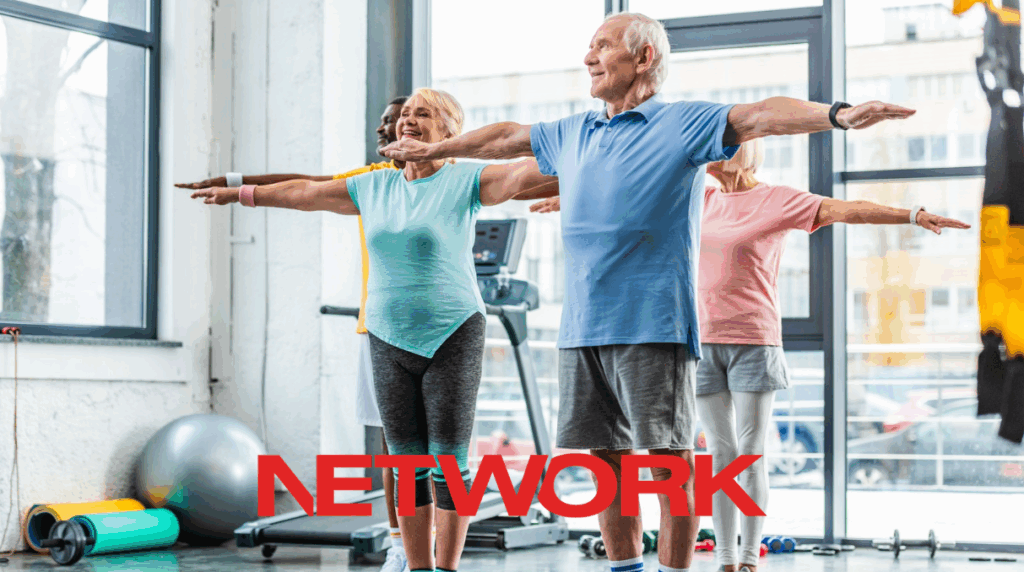
Reviewing the Top 10 Fitness Trends for 2025 – Number 3. Fitness Programs for Older Adults
Welcome to this series of articles where we look back at the top 10 fitness trends of 2025 as surveyed by ACSM and ask ourselves: what it is, why it’s booming, how fitness professionals can harness it, and what the next few years look like?
As the global population continues to age, a powerful shift is redefining what it means to grow older. The new generation of older adults — active, health-conscious, and tech-savvy — are rewriting the narrative on aging and physical vitality.
In 2025, fitness programs for older adults rank as one of the most dominant global trends. But this is no longer about gentle stretching classes or slow-paced activities. It’s about functional strength, balance, mobility, cognitive health, and community connection — all woven into smart, science-driven training programs that empower older adults to live longer, healthier, and more independent lives.
This trend represents both a social evolution and a major business opportunity for fitness professionals ready to serve one of the fastest-growing demographics in the world.
What Are Fitness Programs For Older Adults?
Fitness programs for older adults are specialized exercise and wellness plans designed to meet the unique physical, cognitive, and social needs of individuals typically aged 55 and older.
While these programs have existed for decades, the 2025 approach is radically more holistic and dynamic. Modern programs emphasize:
- Functional strength and balance: Exercises that improve daily movement, prevent falls, and maintain independence.
- Mobility and flexibility training: Stretching, yoga, and joint-friendly movement patterns to maintain range of motion.
- Cardiovascular health: Safe endurance training to protect heart and lung function.
- Cognitive engagement: Dual-task exercises, rhythmic movement, and skill-based activities that challenge both mind and body.
- Social connection: Group formats and community-based classes to reduce isolation and boost mental wellbeing.
- Recovery and longevity focus: Mindful attention to sleep, nutrition, and stress management to support overall vitality.
In short: fitness for older adults in 2025 isn’t about slowing down — it’s about aging up with strength, resilience, and confidence.
Why It’s Popular In 2025
Several global forces have propelled this trend into the top three.
- The aging population boom. By 2030, one in six people worldwide will be over 60. Fitness for this demographic is no longer a niche market — it’s the mainstream.
- Extended life expectancy. People are living longer, and they want those extra years to be active, mobile, and independent.
- Preventive healthcare shift. Governments, insurers, and health systems increasingly emphasize prevention through physical activity — especially among older populations.
- The rise of “healthy aging.” Older adults no longer see themselves as “old.” They value health, vitality, and self-sufficiency — and they’re investing in it.
- Technological adoption. Today’s older adults use wearables, fitness apps, and online classes. They’re more connected and capable than ever before.
- Social well-being. Fitness provides a sense of community and belonging, which combats one of the biggest threats to senior health: loneliness.
Simply put, older adults are no longer sitting out the fitness revolution — they’re leading it in their own way.
Who Benefits Most
The benefits of well-designed fitness programs for older adults go far beyond physical health.
- Older individuals: Improved balance, coordination, strength, and mental clarity — reducing the risk of injury and increasing confidence.
- Families: Peace of mind knowing their loved ones are maintaining independence and reducing medical risks.
- Healthcare systems: Lower rates of chronic disease and hospitalization through proactive prevention.
- Communities: Stronger intergenerational engagement and healthier local populations.
- Fitness professionals: Access to a loyal, high-retention clientele who value personal connection and quality coaching.
This is not just about exercise; it’s about enhancing quality of life across every dimension — physical, emotional, and social.
How Fitness Professionals Can Leverage This Trend
For trainers, coaches, and gym owners, the older adult market represents enormous potential. But success requires specialized understanding, empathy, and smart programming.
Here’s how fitness professionals can make the most of this trend:
- Get certified in senior fitness. Specialized certifications in older adult training ensure you understand physiology, limitations, and best practices for this demographic.
- Prioritize functional movement. Focus on exercises that mimic real-life activities — lifting groceries, climbing stairs, or getting up from the floor.
- Teach balance and coordination. Integrate stability tools, unilateral exercises, and proprioceptive drills to reduce fall risk.
- Build strength safely. Use moderate resistance, controlled tempo, and proper cueing to maintain muscle and bone density.
- Offer flexibility and mobility work. Include stretching, gentle yoga, or Pilates to support joint health and posture.
- Embrace technology. Introduce wearables, digital tracking, or online classes — today’s older adults love measurable progress.
- Create community. Group sessions, partner workouts, or walking clubs foster belonging and social accountability.
- Communicate with compassion. Understand that confidence, not competition, drives this demographic. Encourage every success.
- Educate beyond exercise. Discuss recovery, nutrition, and sleep — all critical for energy and longevity.
- Partner with healthcare providers. Collaborate with physiotherapists, doctors, and wellness programs for cross-referrals and added credibility.
Fitness professionals who position themselves as longevity coaches — not just trainers — are seeing rapid growth in this segment.
The Science Behind It
Aging brings predictable physiological changes: sarcopenia (muscle loss), reduced bone density, slower metabolism, and decreased balance. But research now confirms that exercise can reverse or slow nearly all of these declines.
- Strength training: Even twice a week can restore muscle mass, improve metabolism, and support bone density.
- Aerobic training: Reduces cardiovascular risk, supports brain health, and enhances energy.
- Balance and mobility work: Decreases fall risk — one of the leading causes of injury among older adults.
- Cognitive engagement: Exercise boosts memory, attention, and neuroplasticity through increased blood flow and brain-derived neurotrophic factor (BDNF).
In 2025, fitness programming for older adults is not about “maintenance” — it’s about regeneration and empowerment.
Program Models That Work In 2025
Modern older adult programs are innovative, flexible, and inclusive. Here are the most effective formats:
- Small-group training: Combines social connection with individualized coaching and accountability.
- Functional strength circuits: Safe, scalable, and efficient — incorporating resistance bands, dumbbells, and bodyweight.
- Balance and fall prevention classes: Focused on stability, posture, and proprioception through targeted drills.
- Active recovery programs: Low-impact sessions with mobility work, stretching, and breath control.
- Hybrid online/in-person programs: Perfect for those with mobility or transportation challenges.
- Community-based fitness initiatives: Outdoor walking clubs, park workouts, or recreation center programs supported by local governments.
The key is variety and adaptability — providing challenge without intimidation and progression without risk.
What The Future Holds
Short term (1–3 years)
- Rapid expansion of senior-friendly fitness facilities with accessible equipment and trained staff.
- More insurance and healthcare incentives for seniors who engage in structured physical activity.
- Integration of AI-driven apps that customize programs based on mobility, health status, and feedback.
Medium term (3–5 years)
- Growth of intergenerational fitness programs — pairing younger and older adults for mutual motivation.
- Advances in wearable health technology specifically designed for older populations (e.g., balance sensors, fall detection, adaptive resistance).
- Rise of longevity coaching — blending fitness, nutrition, and lifestyle interventions for healthy aging.
Long term (5+ years)
- Widespread recognition of fitness programs for older adults as a cornerstone of public health policy.
- Smart-home fitness systems with adaptive resistance and motion tracking for safe, guided exercise at home.
- Increased collaboration between fitness, healthcare, and technology sectors to deliver preventive care solutions.
The future of senior fitness isn’t just about staying active — it’s about integrating fitness into the fabric of aging well.
Cautions And Considerations
- Medical clearance: Always screen for cardiovascular, orthopedic, or neurological issues before training.
- Joint safety: Avoid high-impact or overly complex movements; opt for low-load, high-control training.
- Balance support: Provide stable surfaces, rails, or chairs during sessions as needed.
- Gradual progression: Intensity should increase slowly to build confidence and prevent injury.
- Recovery emphasis: Encourage hydration, rest, and mobility between sessions to prevent fatigue.
- Psychological safety: Be encouraging — avoid language that implies fragility or limitation.
Older adults thrive on progress, not pressure. They want to be challenged but supported — capable, not coddled.
Why This Trend Matters Now
Fitness programs for older adults are not just about responding to demographic change — they’re about leading a cultural transformation in how society views aging.
This trend aligns perfectly with 2025’s broader wellness movement: prevention over prescription, empowerment over dependency. It bridges generations, reduces healthcare costs, and transforms lives through movement and connection.
For fitness professionals, it’s an opportunity to make a lasting impact — to help clients add not just years to their life, but life to their years.
Final Word: The New Era Of Active Aging
In 2025, fitness for older adults is about strength, independence, and vitality. It’s not about slowing down; it’s about living better for longer.
Gyms, studios, and trainers who embrace this movement are doing more than following a trend — they’re building a legacy. Because when we empower older adults to move, we don’t just extend their lifespan — we enhance their healthspan.
And that, in the end, may be the most meaningful fitness revolution of all.
Please Note: The information provided in this article are the opinions and professional experience of the author and not all activities are recommended for the beginner or participants with underlying health conditions. This author has no affiliation with any of the products mentioned. Before following any advice or starting any fitness, health and wellbeing journey please consult with an Allied Health Professional and / or General Practitioner.
| References |
| ACSM’s 2025 industry survey |

Steve Irwin
Read more articles
Disclaimer: Where Certificate III in Fitness, Cert III/Cert 3, or Fitness Coach is mentioned, it refers to SIS30321 Certificate III in Fitness. Where Certificate IV in Fitness, Cert IV/Cert 4, or Personal Trainer is mentioned, it refers to SIS40221 Certificate IV in Fitness. Where Master Trainer Program™ is mentioned, it refers to Fitness Essentials and SIS40221 Certificate IV in Fitness. Where Master Trainer Plus+ Program™ is mentioned, it refers to SIS30321 Certificate III in Fitness and SIS40221 Certificate IV in Fitness. Where Certificate IV in Massage or Cert IV/Cert 4 is mentioned, it refers to HLT42021 Certificate IV in Massage Therapy. Where Diploma of Remedial Massage is mentioned, it refers to HLT52021 Diploma of Remedial Massage.




- Master Personal Trainer Online Program
- Personal Trainer - SIS40221 CERTIFICATE IV IN FITNESS
- Fitness Coach - SIS30321 CERTIFICATE III IN FITNESS
Ready to kickstart your fitness career? Speak with our friendly Careers Team on 1300 669 669 or enquire now online.
Enquire Now IGNITE Learning Platform Login

