
The Fitness Zone
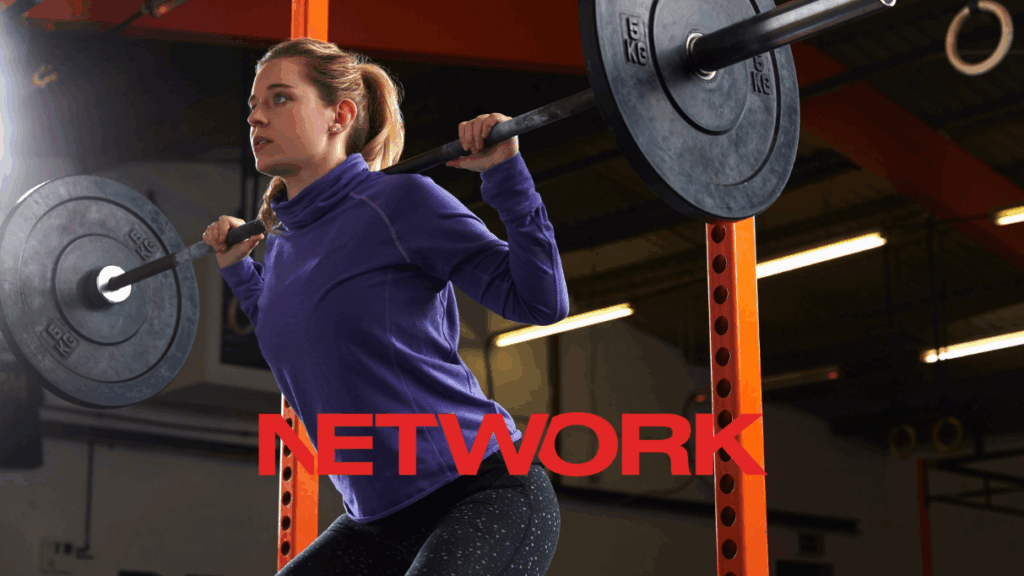
Reviewing the Top 10 Fitness Trends for 2025 – Number 5. Traditional Strength Training
Welcome to this series of articles where we look back at the top 10 fitness trends of 2025 as surveyed by ACSM and ask ourselves: what it is, why it’s booming, how fitness professionals can harness it, and what the next few years look like?
In an age of smart gyms, wearable tech, and virtual workouts, it’s easy to assume that old-school weightlifting might be fading into history. Yet, in 2025, traditional strength training is not only alive — it’s thriving.
Ranked number five among this year’s top fitness trends, traditional strength training has reclaimed the spotlight as people rediscover the foundational power of barbells, dumbbells, and progressive overload. It’s no longer just about building muscle for aesthetics — it’s about building resilience, longevity, and confidence through disciplined, structured training.
What Is Traditional Strength Training?
Traditional strength training is the systematic use of resistance — typically free weights, machines, or bodyweight — to improve muscular strength, endurance, and hypertrophy. It focuses on compound movements, progressive overload, and consistency over time.
Key components include:
- Fundamental lifts: Squats, deadlifts, presses, and pulls — the cornerstone movements of human performance.
- Progressive overload: Gradually increasing resistance or training volume to stimulate adaptation.
- Structured programming: Organized cycles that balance intensity, volume, and recovery.
- Technique and form: Precision in movement to ensure safety and maximize results.
Unlike newer fads that emphasize novelty, traditional strength training emphasizes mastery, patience, and measurable progression — principles that never go out of style.
Why It’s Popular In 2025
After years of flashy trends and quick fixes, fitness culture has circled back to fundamentals. Here’s why:
- Evidence-based effectiveness. Strength training remains one of the most scientifically supported forms of exercise for improving health, body composition, and performance.
- Functional longevity. As populations age, people want to move well, not just look fit. Strength training preserves bone density, muscle mass, and mobility well into later decades.
- Mental resilience. Lifting builds discipline, focus, and confidence — qualities increasingly valued in a high-stress world.
- Balance to modern lifestyles. Strength training combats the effects of sedentary work and screen time by restoring posture and movement capability.
- Cultural shift. Social media now celebrates strength as much as aesthetics — showcasing strong, capable bodies over unrealistic physiques.
- Accessibility. With minimal equipment, strength training can be done at home or in any gym, making it cost-effective and scalable.
Who Benefits — And Why Fitness Pros Should Care
Traditional strength training benefits every demographic:
- Young adults: Builds lifelong fitness habits and foundational athleticism.
- Middle-aged professionals: Supports posture, metabolism, and stress management.
- Older adults: Prevents sarcopenia (muscle loss) and promotes independence.
- Athletes: Develops power, coordination, and injury resistance.
- Beginners: Provides a clear, measurable path to progress.
For fitness professionals, this trend represents both a return to fundamentals and a new opportunity: to teach proper technique, design periodized programs, and educate clients on long-term strength development. Trainers who master these principles become indispensable in an industry often distracted by short-term novelty.
How Fitness Professionals Can Leverage The Trend
To harness the resurgence of traditional strength training, consider these strategies:
- Revisit fundamentals. Prioritize proper form and foundational lifts over complex variations. Teach the basics — and teach them well.
- Educate on programming. Help clients understand concepts like progressive overload, rest periods, and training cycles. Knowledge builds empowerment.
- Track progress visibly. Use logs, apps, or leaderboards to show measurable strength gains over time. Seeing numbers rise reinforces commitment.
- Integrate with modern tech. Use data from wearables or connected gym equipment to monitor recovery and optimize performance.
- Offer hybrid models. Combine traditional strength work with mobility or conditioning for complete programs.
- Create group barbell classes. Small-group lifting sessions blend technique coaching with community energy — perfect for boutique studios.
- Focus on inclusivity. Encourage all genders, ages, and abilities to lift. The “strength is for everyone” message resonates deeply in 2025.
- Highlight health outcomes. Market strength training for bone density, metabolic health, and longevity — not just muscle gain.
Business Models That Work In 2025
- Small-group barbell training: Semi-private sessions that teach proper lifting technique in a supportive setting.
- Hybrid memberships: Combine in-gym strength coaching with app-based programming for at-home workouts.
- Strength clinics or workshops: Specialty sessions focused on squat, bench, or deadlift mastery.
- Progress tracking packages: Include digital dashboards that visualize progress in strength, volume, and form improvement.
- Longevity programs: Target older adults with functional strength sessions emphasizing balance, joint stability, and independence.
Traditional strength training has become the “new premium” — clients are willing to invest in coaching that helps them lift correctly, safely, and effectively.
Key Strength Training Principles For 2025
- Progressive overload: Small, consistent increases in load or volume are more effective than sporadic max-effort days.
- Periodization: Varying intensity and volume across training cycles prevents plateaus and overtraining.
- Technique over ego: Proper form ensures longevity and performance — not just short-term PRs.
- Recovery matters: Sleep, nutrition, and mobility work are integral parts of strength development.
- Consistency is king: Sustainable progress beats sporadic intensity every time.
The Evolution Of Strength Training
Strength training in 2025 doesn’t look exactly like the old-school bodybuilding era — it’s smarter, more inclusive, and more connected.
Old approach: Lift heavy, chase numbers, repeat.
New approach: Lift intelligently, track recovery, balance effort, and build for life.
Today’s lifters use smart racks, velocity trackers, and recovery analytics to guide their sessions. They prioritize joint health and mobility alongside max lifts. And they measure success not only by muscle size but by energy, posture, and functional capacity.
What The Future Holds
Short term (1–3 years):
- More strength-focused boutique gyms offering coaching-driven programs.
- Increased emphasis on tech-assisted lifting, including motion sensors for form feedback.
- Expansion of women’s strength communities challenging outdated gender stereotypes.
Medium term (3–5 years):
- Widespread integration of AI-generated strength programs that adapt dynamically to performance and recovery data.
- Strength training recognized as a core preventive-health intervention by insurers and healthcare providers.
- Fusion programs that combine traditional lifting with mobility and mindfulness to improve longevity.
Long term (5+ years):
- Gyms evolve into performance and wellness centers, blending strength, recovery, and education.
- Interdisciplinary teams of trainers, physiotherapists, and health coaches working together under one roof.
- New certification standards requiring trainers to demonstrate advanced knowledge of strength mechanics and injury prevention.
Cautions And Considerations
- Technique first. Poor form can negate progress and lead to injury. Prioritize education before load increases.
- Avoid “ego lifting.” Strength is a long game — overreaching too soon can derail consistency.
- Balance is key. Strength training should complement mobility, conditioning, and recovery work.
- Gender myths. Continue breaking down misconceptions that lifting “makes women bulky.”
- Equipment access. Not all clients have access to full gym setups; offer bodyweight or resistance band alternatives.
Why Traditional Strength Training Endures
Strength training stands the test of time because it works — plain and simple. No other form of exercise delivers such a powerful combination of physical, psychological, and functional benefits. It builds capability, confidence, and resilience that extend beyond the gym floor.
In a world obsessed with instant gratification, strength training teaches patience and discipline. It rewards consistency over novelty. It connects people to their bodies in a tangible, empowering way.
As fitness trends evolve, the barbell remains a universal symbol of progress — a reminder that the fundamentals never fail.
Final Word: Why Fitness Pros Should Care Now
Traditional strength training isn’t just making a comeback — it’s reclaiming its rightful place at the center of fitness culture. For professionals, this is an opportunity to reassert expertise, elevate programming standards, and reframe what it means to be strong.
Clients are seeking authenticity, measurable progress, and practical results. By teaching them to move better, lift smarter, and build long-term strength, you become not just a trainer — but a mentor for lifelong health and confidence.
In 2025, amid all the digital innovation and fitness fads, traditional strength training reminds us of a timeless truth: the strongest trends are built on solid foundations.
Please Note: The information provided in this article are the opinions and professional experience of the author and not all activities are recommended for the beginner or participants with underlying health conditions. This author has no affiliation with any of the products mentioned. Before following any advice or starting any fitness, health and wellbeing journey please consult with an Allied Health Professional and / or General Practitioner.
| References |
| ACSM’s 2025 industry survey |

Steve Irwin
Read more articles
Disclaimer: Where Certificate III in Fitness, Cert III/Cert 3, or Fitness Coach is mentioned, it refers to SIS30321 Certificate III in Fitness. Where Certificate IV in Fitness, Cert IV/Cert 4, or Personal Trainer is mentioned, it refers to SIS40221 Certificate IV in Fitness. Where Master Trainer Program™ is mentioned, it refers to Fitness Essentials and SIS40221 Certificate IV in Fitness. Where Master Trainer Plus+ Program™ is mentioned, it refers to SIS30321 Certificate III in Fitness and SIS40221 Certificate IV in Fitness. Where Certificate IV in Massage or Cert IV/Cert 4 is mentioned, it refers to HLT42021 Certificate IV in Massage Therapy. Where Diploma of Remedial Massage is mentioned, it refers to HLT52021 Diploma of Remedial Massage.




- Master Personal Trainer Online Program
- Personal Trainer - SIS40221 CERTIFICATE IV IN FITNESS
- Fitness Coach - SIS30321 CERTIFICATE III IN FITNESS
Ready to kickstart your fitness career? Speak with our friendly Careers Team on 1300 669 669 or enquire now online.
Enquire Now IGNITE Learning Platform Login

