
The Fitness Zone
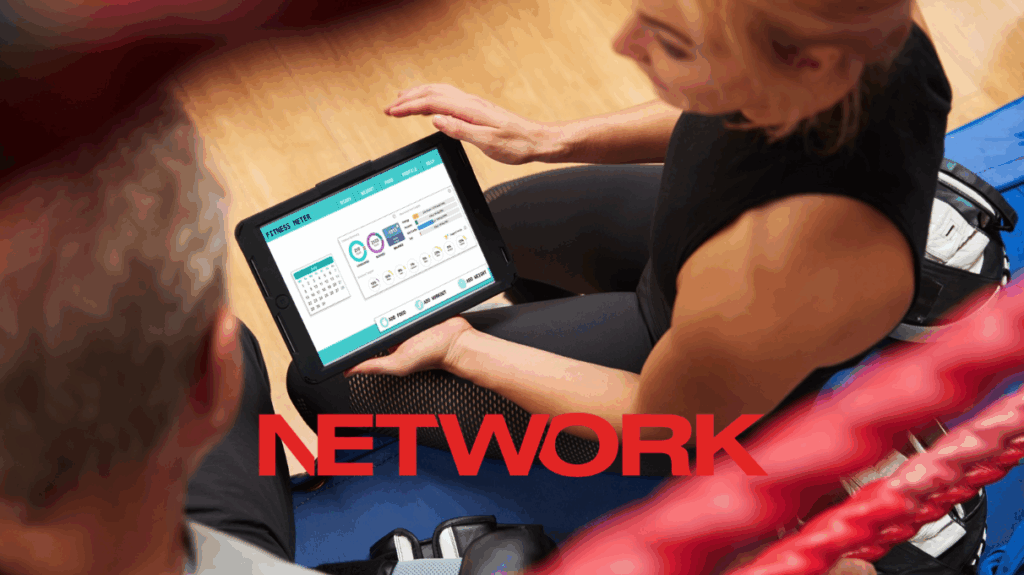
Reviewing the Top 10 Fitness Trends for 2025 – Number 7. Data-driven Training Technology
Welcome to this series of articles where we look back at the top 10 fitness trends of 2025 as surveyed by ACSM and ask ourselves: what it is, why it’s booming, how fitness professionals can harness it, and what the next few years look like?
A decade ago, tracking your fitness meant scribbling sets and reps in a notebook or strapping on a clunky pedometer. Fast forward to 2025, and the landscape looks radically different. Smartwatches measure everything from sleep stages to heart-rate variability. Connected gym equipment tracks every rep. Apps provide real-time form feedback through motion capture. AI-powered dashboards personalize your next workout.
Welcome to the era of data-driven training technology — the seventh most influential fitness trend shaping the industry this year. This isn’t about gadgets for gadget’s sake; it’s about using information to guide smarter training, boost accountability, and deliver measurable results.
What Is Data-Driven Training Technology?
At its core, data-driven training refers to the use of digital tools, wearables, and platforms to collect, analyze, and apply information that informs exercise programming. It encompasses:
- Wearable devices: Smartwatches, heart-rate monitors, and sensors measuring steps, calories, heart-rate variability, sleep, and stress.
- Connected equipment: Smart bikes, treadmills, racks, and resistance machines that log performance metrics automatically.
- Motion analysis: Cameras or sensors that evaluate movement patterns and give form corrections.
- Training apps and dashboards: Platforms that integrate multiple data points to build personalized plans and track progress over time.
- Artificial intelligence: Systems that adjust workouts based on real-time performance, recovery scores, or injury risk.
The aim: eliminate guesswork and create highly individualized programs backed by objective insights.
Why It’s Popular In 2025
Several forces have propelled data-driven technology to center stage this year:
- Consumer expectation. People track everything from steps to sleep. They expect fitness experiences to provide the same level of personalization and immediate feedback as their favorite apps.
- Accessibility and affordability. Devices that once cost hundreds of dollars are now widely affordable, making sophisticated metrics available to everyday users.
- Integration across platforms. Wearables, apps, and gym equipment now sync seamlessly, giving clients and coaches a unified picture of progress.
- Evidence-based programming. Fitness pros are under pressure to demonstrate results. Data provides tangible proof of progress beyond subjective feedback.
- Motivation and accountability. Gamification, leaderboards, and streak tracking keep users engaged, while progress reports reinforce commitment.
- Corporate and clinical adoption. Employers, insurers, and healthcare providers use data-driven platforms to monitor employee wellbeing, chronic condition management, and rehabilitation adherence.
Who Benefits — And Why Fitness Pros Should Pay Attention
Data-driven training touches every corner of the industry:
- Everyday clients: Gain personalized insights, see progress, and stay motivated with visual feedback.
- Athletes: Use detailed performance analytics to fine-tune training, optimize recovery, and reduce injury risk.
- Trainers and coaches: Make evidence-based decisions, refine programming, and provide measurable ROI to clients.
- Studios and gyms: Differentiate themselves with tech-enabled experiences, attract younger demographics, and retain members with engagement tools.
- Corporate wellness programs: Provide scalable tracking and reporting to demonstrate program impact.
For fitness professionals, embracing data-driven technology isn’t optional anymore — it’s a competitive necessity. Clients increasingly expect measurable, tech-supported experiences.
How Fitness Professionals Can Leverage The Trend
Here’s how to harness data-driven training in 2025:
- Choose the right tools. Select wearables, apps, or platforms that align with your clientele (e.g., heart-rate monitors for group HIIT, recovery tracking for personal training, stress scores for corporate wellness).
- Educate clients. Teach clients what the numbers mean. Data without context can overwhelm; data with explanation builds trust.
- Integrate into programming. Use metrics like heart rate zones, recovery scores, and sleep quality to adjust intensity and volume.
- Track and share progress. Provide monthly or quarterly reports showing improvements in performance, recovery, or consistency. Clients love visual evidence.
- Create challenges. Use gamification — leaderboards, team step counts, streak rewards — to foster community and accountability.
- Blend human coaching with tech. Technology provides information, but professionals provide interpretation, empathy, and personalization. Don’t outsource connection to the algorithm.
- Stay current. As platforms evolve, stay informed on updates, integrations, and best practices. This positions you as a trusted authority.
Business Models That Work In 2025
- Premium coaching packages: Bundle personal training with wearable device integration and monthly performance reports.
- Hybrid memberships: Gym access plus app-based training that syncs data for accountability between sessions.
- Small-group training with metrics: Heart-rate–based group workouts where participants see live data on screens, increasing motivation.
- Corporate wellness dashboards: Offer employers aggregated (anonymous) employee health data to show program effectiveness.
- Subscription services: Charge for ongoing monitoring and feedback outside in-person sessions, keeping clients engaged remotely.
Examples Of Key Metrics Being Used
- Heart rate and zones: To calibrate intensity and measure cardiovascular improvement.
- Heart-rate variability (HRV): Indicator of stress, fatigue, and recovery readiness.
- Sleep duration and quality: Guides programming adjustments based on recovery.
- Training load: Volume and intensity over time to prevent overtraining.
- Step count and activity levels: Measures baseline lifestyle movement beyond workouts.
- Form analysis: Identifies biomechanical inefficiencies and injury risks.
What The Future Holds
Short term (1–3 years):
- Broader adoption of motion-capture technology for form feedback in gyms and home fitness apps.
- More affordable, subscription-based platforms that integrate multiple devices.
Medium term (3–5 years):
- AI-driven training plans that adjust automatically based on daily readiness scores.
- Integration with healthcare systems, where doctors can view patient fitness data to support preventive care.
- Widespread use in schools and universities to monitor youth fitness and wellness.
Long term (5+ years):
- Fully immersive environments using AR/VR combined with biometric feedback.
- Mainstream insurance reimbursement for fitness programs that show measurable outcomes.
- Industry-wide standards for data accuracy, privacy, and interoperability.
Cautions And Considerations
- Privacy concerns. Clients must understand how their data is collected, stored, and shared. Always prioritize consent and transparency.
- Data overload. Too many numbers can confuse clients. Simplify insights and focus on what’s actionable.
- Accuracy variance. Not all devices are equally reliable. Professionals should be cautious about over-relying on consumer-grade wearables.
- Human connection matters. Technology should augment, not replace, the role of a coach or trainer.
Final Word: Why Fitness Pros Should Care Now
In 2025, fitness without data feels incomplete. Consumers expect the same personalization and feedback in their workouts that they get from streaming platforms, shopping apps, or health trackers. Data-driven training technology delivers that — but it also delivers something more powerful: evidence.
When trainers can show hard numbers proving improved recovery, greater consistency, or reduced stress, clients feel valued and motivated. When gyms can demonstrate measurable outcomes to employers or insurers, they unlock new revenue streams.
The future of fitness is not about technology replacing people — it’s about technology empowering professionals to provide smarter, safer, and more effective programs. Fitness pros who embrace this trend today will be the ones leading tomorrow.
Please Note: The information provided in this article are the opinions and professional experience of the author and not all activities are recommended for the beginner or participants with underlying health conditions. This author has no affiliation with any of the products mentioned. Before following any advice or starting any fitness, health and wellbeing journey please consult with an Allied Health Professional and / or General Practitioner.
| References |
| ACSM’s 2025 industry survey |

Isabelle Kingsbury
Read more articles
Disclaimer: Where Certificate III in Fitness, Cert III/Cert 3, or Fitness Coach is mentioned, it refers to SIS30321 Certificate III in Fitness. Where Certificate IV in Fitness, Cert IV/Cert 4, or Personal Trainer is mentioned, it refers to SIS40221 Certificate IV in Fitness. Where Master Trainer Program™ is mentioned, it refers to Fitness Essentials and SIS40221 Certificate IV in Fitness. Where Master Trainer Plus+ Program™ is mentioned, it refers to SIS30321 Certificate III in Fitness and SIS40221 Certificate IV in Fitness. Where Certificate IV in Massage or Cert IV/Cert 4 is mentioned, it refers to HLT42021 Certificate IV in Massage Therapy. Where Diploma of Remedial Massage is mentioned, it refers to HLT52021 Diploma of Remedial Massage.




- Master Personal Trainer Online Program
- Personal Trainer - SIS40221 CERTIFICATE IV IN FITNESS
- Fitness Coach - SIS30321 CERTIFICATE III IN FITNESS
Ready to kickstart your fitness career? Speak with our friendly Careers Team on 1300 669 669 or enquire now online.
Enquire Now IGNITE Learning Platform Login

