
The Fitness Zone
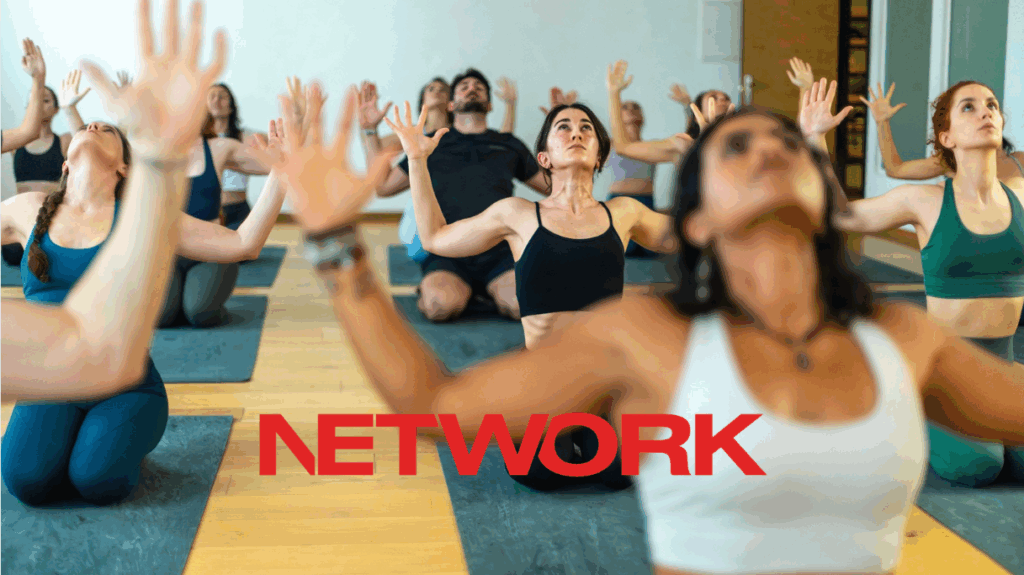
Reviewing the Top 10 Fitness Trends for 2025 – Number 8. Exercise for Mental Health
Welcome to this series of articles where we look back at the top 10 fitness trends of 2025 as surveyed by ACSM and ask ourselves: what it is, why it’s booming, how fitness professionals can harness it, and what the next few years look like?
For decades, fitness has been sold through the lens of physical transformation: building muscle, losing fat, and sculpting aesthetics. But in 2025, a new conversation dominates gym floors, studios, and wellness apps: mental health. Exercise isn’t just about how you look anymore — it’s about how you feel.
Ranked number eight among the top global fitness trends this year, exercise for mental health reflects a profound shift in priorities. People are turning to movement as medicine for the mind: to manage stress, reduce anxiety, lift mood, sharpen focus, and build resilience. For fitness professionals, this is both a challenge and an enormous opportunity.
What Is “Exercise For Mental Health”?
While all exercise has potential psychological benefits, this trend is about making those benefits the primary goal rather than a happy side effect. It includes:
- Mood-boosting workouts (like rhythmic cardio, dance, and group classes).
- Mind-body practices (yoga, tai chi, Pilates) that combine movement with mindfulness.
- Strength training for confidence and resilience.
- Outdoor exercise to harness the mental health benefits of nature.
- Breathwork and mobility sessions designed for relaxation and stress release.
- Programs intentionally designed to address mental wellbeing, sometimes in partnership with therapists, counselors, or corporate wellbeing teams.
In other words, the intent shifts: workouts are chosen not just for calorie burn or strength gains, but for how they support emotional stability, cognitive clarity, and mental wellness.
Why It’s Popular In 2025
The rise of exercise for mental health is being fueled by several cultural, scientific, and social forces:
- Growing mental health awareness. Rates of anxiety, depression, and burnout have climbed worldwide. People are increasingly open about seeking strategies to cope — and exercise is a powerful, non-stigmatized tool.
- Science-backed evidence. A growing body of research shows exercise is as effective as, or complementary to, traditional therapies in treating mild-to-moderate depression and anxiety. Movement is no longer just “good for your mood” — it’s clinically validated.
- Post-pandemic shift. The COVID-19 era made mental health a mainstream conversation. Movement emerged as one of the most accessible and affordable self-care strategies during isolation, and that association has stuck.
- Consumer demand for holistic wellness. Today’s client doesn’t separate mind and body. They want fitness that helps them cope with stress, sleep better, and feel more resilient, not just look good.
- Corporate wellness and insurers. Employers are investing in mental health programming, and exercise-based initiatives are a cost-effective way to reduce stress, improve morale, and support employee retention.
Who Benefits — And Why Fitness Pros Should Care
This trend is for everyone — but different groups benefit in unique ways:
- General population: Movement provides a mood boost, stress relief, and a sense of accomplishment.
- Students and young adults: Exercise supports focus, stress management, and coping skills.
- Corporate employees: Short movement breaks or structured programs reduce burnout and improve productivity.
- Older adults: Exercise helps combat loneliness, cognitive decline, and depression.
- Clinical populations (mild-to-moderate cases): Exercise complements therapy and medication under professional supervision.
For fitness professionals, aligning with this trend means tapping into one of the biggest consumer needs of our time. By positioning exercise as a mental health strategy, you become more than a trainer — you become part of someone’s support system for resilience, wellbeing, and quality of life.
How Fitness Professionals Can Leverage The Trend
Here’s a practical playbook to bring mental health–focused fitness into your offerings:
- Shift the language. Instead of only marketing workouts for weight loss or strength, emphasize benefits like “stress relief,” “energy boost,” or “mental reset.”
- Design “mood-based” sessions. Offer classes targeted at specific outcomes — e.g., “Calm & Stretch,” “Mood Boost HIIT,” or “Focus Flow.”
- Integrate mindfulness. Incorporate breathwork, guided visualization, or short meditations into warm-ups and cool-downs.
- Offer short formats. Even 10–15 minute movement breaks can deliver mental health benefits. Package micro-sessions for workplaces, students, or digital platforms.
- Create supportive communities. Group exercise has powerful effects on belonging and connection, which are central to mental wellbeing.
- Partner with mental health professionals. Collaborate with therapists, counselors, or corporate HR teams to design safe, holistic programs.
- Educate yourself. Pursue continuing education on exercise and mental health. Understanding conditions, triggers, and safe boundaries increases your credibility and impact.
- Encourage outdoor activity. Where possible, host walking groups, bootcamps, or yoga sessions in nature to harness the added benefits of green space.
Business Models That Work In 2025
- Corporate wellness packages: Short, daily movement breaks tailored for stress management, offered virtually or onsite.
- Membership add-ons: “Mind-body wellness” tiers that include yoga, meditation, and breathwork sessions.
- Hybrid coaching: Combine fitness with mental wellbeing check-ins, journaling, or habit tracking in your coaching packages.
- Specialized programs: Classes marketed for specific goals (e.g., “Better Sleep Bootcamp” or “Anxiety Relief Circuit”).
- Community workshops: Weekend events combining fitness, mindfulness, and education about stress management.
What The Future Holds
Short term (1–3 years):
- Fitness centers will integrate more stress-reduction programs, meditation corners, and wellness rooms.
- Wearables will include stress, sleep, and mood-tracking features to tie directly into exercise prescriptions.
Medium term (3–5 years):
- Insurance and healthcare providers may cover fitness programs specifically for mental health outcomes.
- Universities and workplaces will adopt structured exercise-for-mental-health curriculums.
- Trainers will increasingly receive cross-disciplinary training in psychology and behavior change.
Long term (5+ years):
- Exercise will be recognized not just as a tool for physical health, but as a primary intervention for mental health maintenance.
- Gyms will evolve into holistic wellbeing hubs, with physical training, mental health programming, and recovery services all under one roof.
- New professional roles may emerge: “mental wellness fitness coach” or “movement therapist,” bridging psychology and exercise science.
Cautions And Considerations
- Stay within your scope. Fitness professionals are not mental health clinicians. Recognize red flags, know when to refer, and avoid overstepping into diagnosis or therapy.
- Individual differences. While exercise helps many, not all clients respond the same way. Tailor programs and avoid one-size-fits-all promises.
- Accessibility. Ensure programs are inclusive and affordable; those struggling with mental health may also face financial or logistical barriers.
- Risk of overtraining. Some individuals use exercise compulsively as a coping mechanism. Coaches should promote balance, recovery, and self-awareness.
Final Word: Why Fitness Pros Should Care Now
Mental health is no longer an optional conversation — it’s central to how people view health and fitness in 2025. Exercise offers a safe, accessible, and empowering way to support emotional wellbeing, and the fitness industry is uniquely positioned to deliver it.
For clients, movement becomes more than a tool to change their bodies; it becomes a lifeline to greater resilience, calm, and self-confidence. For professionals, embracing this trend means expanding your role from trainer to trusted ally in one of the most important health challenges of our time.
In a world where stress, anxiety, and burnout dominate headlines, fitness that strengthens both body and mind isn’t just a trend — it’s the future.
Please Note: The information provided in this article are the opinions and professional experience of the author and not all activities are recommended for the beginner or participants with underlying health conditions. This author has no affiliation with any of the products mentioned. Before following any advice or starting any fitness, health and wellbeing journey please consult with an Allied Health Professional and / or General Practitioner.
| References |
| ACSM’s 2025 industry survey |

Steve Irwin
Read more articles
Disclaimer: Where Certificate III in Fitness, Cert III/Cert 3, or Fitness Coach is mentioned, it refers to SIS30321 Certificate III in Fitness. Where Certificate IV in Fitness, Cert IV/Cert 4, or Personal Trainer is mentioned, it refers to SIS40221 Certificate IV in Fitness. Where Master Trainer Program™ is mentioned, it refers to Fitness Essentials and SIS40221 Certificate IV in Fitness. Where Master Trainer Plus+ Program™ is mentioned, it refers to SIS30321 Certificate III in Fitness and SIS40221 Certificate IV in Fitness. Where Certificate IV in Massage or Cert IV/Cert 4 is mentioned, it refers to HLT42021 Certificate IV in Massage Therapy. Where Diploma of Remedial Massage is mentioned, it refers to HLT52021 Diploma of Remedial Massage.




- Master Personal Trainer Online Program
- Personal Trainer - SIS40221 CERTIFICATE IV IN FITNESS
- Fitness Coach - SIS30321 CERTIFICATE III IN FITNESS
Ready to kickstart your fitness career? Speak with our friendly Careers Team on 1300 669 669 or enquire now online.
Enquire Now IGNITE Learning Platform Login

