
The Fitness Zone
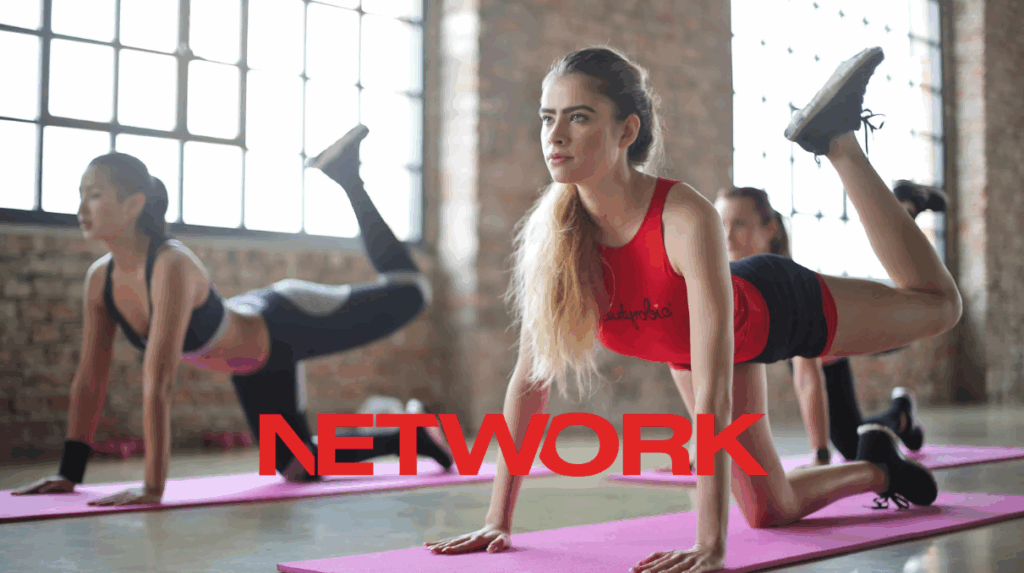
Team Spirit: The Science Behind Group Fitness Success
Group fitness has evolved from a niche activity into a global phenomenon. From bootcamps and spin classes to Zumba and CrossFit, more and more people are trading solo sweat sessions for high-energy, community-driven workouts. But this shift isn’t just about flashy studios or upbeat playlists—there’s a deeper, science-backed reason why working out in a group drives greater success.
Human beings are inherently social. We’re wired to connect, collaborate, and compete. When it comes to fitness, these social instincts can mean the difference between giving up and leveling up. Group workouts tap into our psychology, physiology, and sense of belonging to deliver powerful results—both mentally and physically.
Let’s explore the mechanisms behind the magic and uncover why team spirit might just be the ultimate secret weapon in achieving your fitness goals.
The Psychology of Training Together
1. You Perform Better With Others
It’s no coincidence that athletes often achieve personal bests in competitive settings. Simply being around others—especially those giving their all—can inspire you to dig deeper and push harder. Whether you’re trying to keep pace with the person next to you in a spin class or matching the instructor’s energy in a HIIT circuit, the group effect triggers elevated focus and effort.
This phenomenon, often observed in sports psychology, is why many people find they work out harder in a group setting than they ever do on their own.[1]
2. Accountability is Built In
Consistency is key to progress, but it’s also one of the hardest habits to maintain. When you train alone, skipping a workout feels harmless. But in a group, your absence is noticed. That subtle accountability—knowing your workout buddies or instructor will miss you—can be a major motivator.
Group fitness naturally embeds a sense of responsibility. Once you’re part of a regular class or crew, showing up becomes more than a personal task—it becomes a shared commitment.
3. We All Want to Belong
From ancient tribes to modern teams, humans have always sought connection through shared goals and activities. Group workouts meet this need head-on, offering a sense of belonging that goes beyond the physical.
Whether it’s encouraging high-fives after class, inside jokes about tough sessions, or communal milestones, fitness groups create bonds that boost morale and deepen motivation. Instructors often reinforce this by building team challenges, fostering camaraderie, and celebrating each member’s progress.
The Physical Benefits of Group Workouts
1. Group Movement Amplifies the Feel-Good Factor
There’s something uniquely powerful about moving in unison with others. Group workouts often involve synchronized movement—cycling in rhythm, flowing through yoga poses, or dancing to the beat—which has been shown to elevate mood and enhance the release of endorphins.
These feel-good chemicals do more than make you happy; they also reduce pain perception and improve your overall sense of well-being. That’s one reason why you may walk out of a group class feeling more energized and euphoric than after a solo gym session.
2. Greater Adherence Equals Better Results
One of the most significant challenges in fitness is sticking with a routine over the long term. Group classes provide structure and social reinforcement that encourage regular attendance.
People are more likely to show up for workouts when they feel supported, appreciated, and part of something. That consistency is what leads to sustained progress—whether the goal is weight loss, strength building, improved endurance, or better mental health.
How Motivation Is Supercharged in Groups
1. You’re More Likely to Push Yourself
In a group setting, the presence of others often pushes individuals beyond their comfort zones. If you see someone next to you going all out, you’re less inclined to slack off. Even if you feel like the “least fit” person in the room, that perception can become a source of motivation.
Rather than feeling discouraged, many people find themselves striving to keep up—not out of competitiveness, but out of a desire to contribute to the collective energy of the group.
2. Collective Goals Drive Individual Success
Many group programs integrate shared goals—burning a certain number of calories, completing a team circuit, or finishing a challenge together. These group objectives shift the focus from individual performance to collective success, which increases motivation.
Knowing that your effort contributes to a group achievement provides an extra layer of incentive. It transforms the workout into a team mission, which can be far more powerful than solo goal-setting.
The Mental and Emotional Edge
1. Group Fitness Combats Loneliness
In today’s fast-paced, digital world, many people feel disconnected despite being constantly “plugged in.” Group workouts offer real human interaction in a positive, energizing environment.
That regular connection with others—whether through quick chats before class or shared laughs during tough intervals—helps combat loneliness and builds emotional resilience. It’s fitness for the body and the heart.
2. It’s a Natural Stress Reliever
Exercise is a proven stress reducer. Add the uplifting effects of group support, and the benefits multiply. Many people report that they feel more emotionally balanced, less anxious, and more optimistic after group workouts compared to solo training.[2]
It’s not just the movement—it’s the smiles, encouragement, and collective sense of accomplishment that make group fitness a holistic wellness practice.
Which Group Fitness Style Is Right for You?
There’s a group workout for every personality, goal, and fitness level. Here’s a breakdown of popular formats and who they tend to suit best:
| Workout Type | Ideal For | Group Energy |
| HIIT Bootcamps | High achievers who like fast results | Intense, energetic, and team-focused |
| Dance-Based Fitness | Creative, rhythm-loving individuals | Joyful, expressive, and supportive |
| Yoga & Pilates | Mindful movers seeking connection | Calm, focused, and grounded |
| CrossFit / Functional | Goal-driven individuals who love challenge | Competitive yet community-driven |
| Spin / Indoor Cycling | People who thrive on music and rhythm | High-octane and motivational |
| Walking/Running Groups | Beginners or outdoor enthusiasts | Friendly, conversational, and accessible |
No matter your fitness level or preference, the key is to find a community that matches your energy and makes you feel welcome.
Tips for Maximizing the Group Fitness Experience
If you’re new to group workouts or looking to get more from your current classes, here are some tips to help you thrive:
- Try Different Classes – Test out various formats to find what excites you most.
- Be Consistent – Regular attendance builds trust, friendships, and results.
- Engage With Others – A simple “hi” or compliment can spark a connection.
- Support Your Peers – Encouraging others makes the experience richer for everyone.
- Set Shared Goals – Work with friends or classmates toward collective milestones.
The more you invest in the group, the more the group gives back to you.
Why People Love Group Fitness
Many who switch from solo training to group classes never look back. Here’s what draws them in—and keeps them coming back:
- Energy: “I feed off the energy of the group. When I’m tired, they lift me up.”
- Structure: “The classes keep me on schedule. I don’t have to plan—it’s all set.”
- Friendship: “Some of my closest friends now are people I met in yoga class.”
- Motivation: “I always give more effort when I’m in a group. It’s like we’re all in it together.”
These testimonials echo a common theme: community isn’t just an add-on—it’s the main ingredient.
The Future of Group Fitness: Connected, Inclusive, and Global
As technology, culture, and lifestyles evolve, so does the world of group fitness. While the core benefits—motivation, community, accountability—remain timeless, the way people experience group workouts is rapidly transforming.
Hybrid Models and Virtual Communities
The rise of digital fitness platforms has revolutionized access to group workouts. From live-streamed classes to on-demand virtual bootcamps, people can now participate in group experiences from their living rooms—or even across continents. This democratization of fitness brings people together regardless of geography, making group training more inclusive than ever before.
What began as a necessity during the pandemic has grown into a vibrant new frontier: hybrid fitness. Many studios now offer both in-person and online options, allowing members to stay connected whether they’re traveling, working remotely, or simply prefer the flexibility of home training. Interactive features like leaderboards, chat rooms, and real-time feedback help maintain the energy and accountability of live group classes.
Tech-Enhanced Connection
Wearable tech, fitness apps, and AI-powered platforms are making group workouts smarter and more engaging. Participants can now track their heart rate, calorie burn, and performance metrics in real time—often displayed on shared screens during class to encourage friendly competition and mutual encouragement.
Social features on fitness apps also allow users to share achievements, join global fitness challenges, and cheer each other on from anywhere in the world. These innovations foster a strong sense of connection, even when members aren’t physically together.
The Return to Human Connection
Even as digital options flourish, there’s a renewed appreciation for the human element. More people are seeking out small-group training, community-focused studios, and outdoor meetups that prioritize authentic interaction. The future of group fitness isn’t just high-tech—it’s high-touch.
Conclusion
Fitness trends come and go, but one principle holds true: we are better together. While personal goals matter, the journey becomes richer, more sustainable, and more enjoyable when shared with others.
Group fitness succeeds because it speaks to our deepest instincts—to connect, to contribute, and to grow alongside others. When we sweat together, we succeed together. It’s not just about building muscle or burning fat—it’s about building bonds, confidence, and joy.
So if you’ve ever felt stuck or uninspired in your fitness journey, consider joining a group. You may just find that what you were missing wasn’t motivation—it was community.
Please Note: The information provided in this article are the opinions and professional experience of the author and not all activities are recommended for the beginner or participants with underlying health conditions. This author has no affiliation with any of the products mentioned. Before following any advice or starting any fitness, health and wellbeing journey please consult with an Allied Health Professional and / or General Practitioner.

Steve Irwin
Read more articles
Disclaimer: Where Certificate III in Fitness, Cert III/Cert 3, or Fitness Coach is mentioned, it refers to SIS30321 Certificate III in Fitness. Where Certificate IV in Fitness, Cert IV/Cert 4, or Personal Trainer is mentioned, it refers to SIS40221 Certificate IV in Fitness. Where Master Trainer Program™ is mentioned, it refers to Fitness Essentials and SIS40221 Certificate IV in Fitness. Where Master Trainer Plus+ Program™ is mentioned, it refers to SIS30321 Certificate III in Fitness and SIS40221 Certificate IV in Fitness. Where Certificate IV in Massage or Cert IV/Cert 4 is mentioned, it refers to HLT42021 Certificate IV in Massage Therapy. Where Diploma of Remedial Massage is mentioned, it refers to HLT52021 Diploma of Remedial Massage.




- Master Personal Trainer Online Program
- Personal Trainer - SIS40221 CERTIFICATE IV IN FITNESS
- Fitness Coach - SIS30321 CERTIFICATE III IN FITNESS
Ready to kickstart your fitness career? Speak with our friendly Careers Team on 1300 669 669 or enquire now online.
Enquire Now IGNITE Learning Platform Login

